


- News
Best Places to Study and Do Homework
Finding the right place to study or do homework can make a huge difference in…
View Blog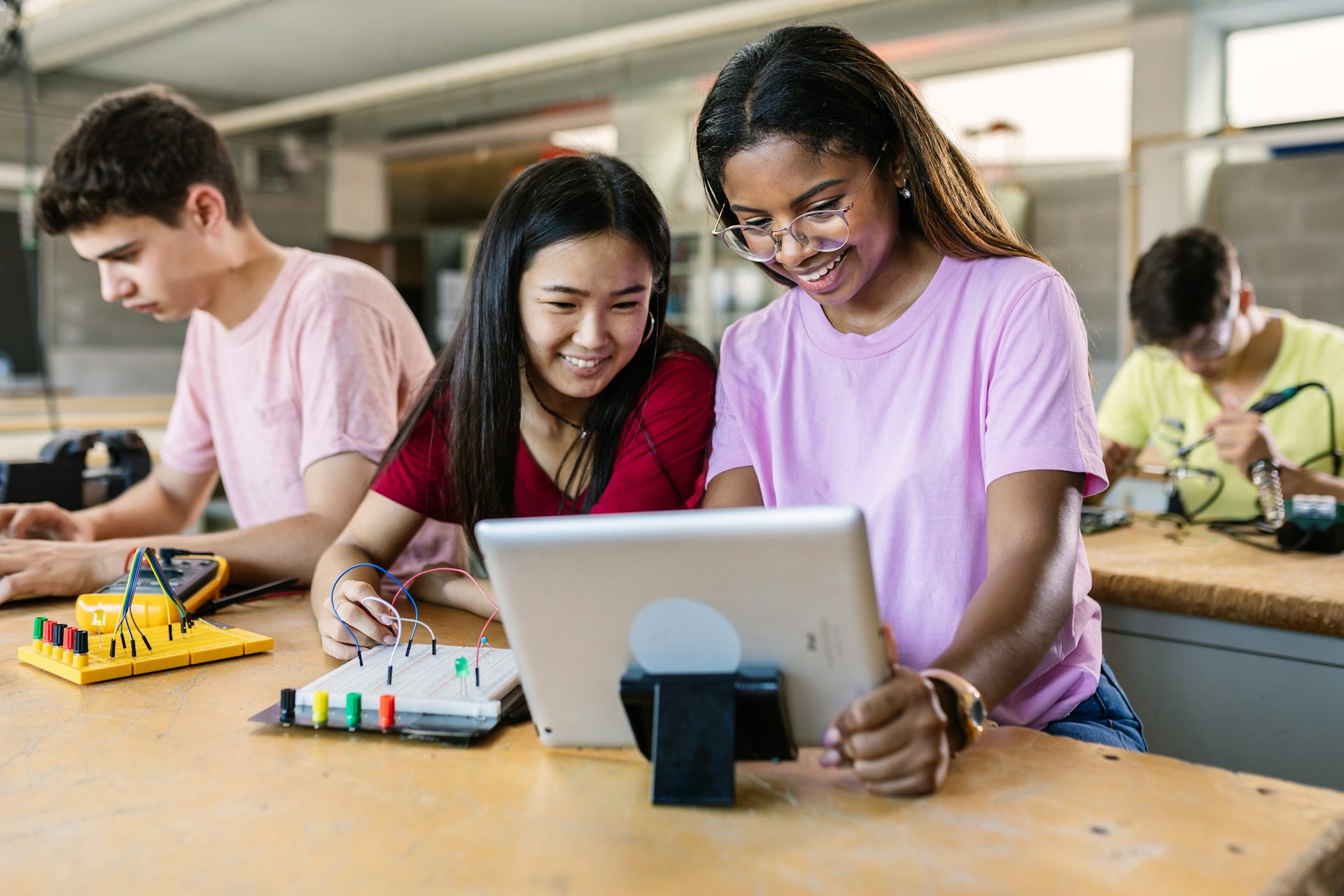
School students today navigate a rapidly evolving world shaped by technology and artificial intelligence. Achieving future readiness requires blending strong academic fundamentals with critical thinking and adaptability. Through personalized counseling for students, learners build essential life skills and map out clear university targets. Pair career discovery with expert academic tutoring to help UAE students master core subjects and transition confidently into higher education.
Many education-focused platforms, such as Mindbase Education, highlight how structured learning support and modern guidance systems can help students move beyond traditional study patterns and build stronger future-focused capabilities.
Future readiness refers to the ability of students to succeed in unpredictable environments by using knowledge, skills, and mindset rather than relying only on textbooks or fixed answers. It is about preparing learners for careers that may not exist today and problems that do not have standard solutions. A future-ready student is someone who can analyze information, make informed decisions, and adjust to changing situations without losing direction.
Modern education systems focus on the idea that future readiness is built through a combination of academic knowledge and life skills. Students are expected to understand core subjects while also developing abilities such as communication, collaboration, creativity, and digital literacy. These combined skills help students move beyond traditional exam-focused learning and prepare them for dynamic professional environments where adaptability is essential.
The UAE education landscape is rapidly evolving with strong investment in innovation, technology, and artificial intelligence learning. Schools are introducing advanced curricula that include coding, robotics, and digital tools from early stages of education. This shift is designed to prepare students for a future economy driven by knowledge, automation, and digitization.
Future readiness demands a strategic balance of technical knowledge, human skills, and academic excellence. While critical thinking and digital literacy form the backbone of modern education, mastering rigorous curricula remains crucial. Exploring specialized test prep guidance helps students excel in entrance exams, while expert career guidance articles provide the clarity needed to choose future-proof career paths.
Future readiness depends on a future-ready combination of technical skills and human skills. Academic knowledge alone is not enough; students must also develop practical abilities that allow them to apply what they learn in real situations.
Critical thinking is one of the most important skills for future-ready students because it allows them to evaluate information carefully and make logical decisions. Instead of memorizing answers, students learn how to understand problems, identify patterns, and choose the best possible solutions. Analytical reasoning helps students break complex-world decision-making and understand how each part connects to the bigger picture. This skill is especially important in subjects like mathematics, science, and economics, where logical thinking plays a major role.
Students who develop strong critical thinking skills are better prepared for exams, projects, and real-world decision-making because they do not depend on guesswork; they depend on structured understanding.
Digital literacy has become a fundamental requirement in modern education. Students must understand how to use digital tools, online platforms, and emerging technologies responsibly and effectively. This includes basic computer skills, internet research abilities, and familiarity with digital communication tools used in education and workplaces.
In the UAE, schools are increasingly integrating artificial intelligence education into classrooms, helping students understand how technology shapes industries and daily life. Digital awareness also includes online safety, responsible usage of information, and understanding how data is created and shared in digital environments. Students who are digitally literate gain a strong advantage in both academic learning and future career development.
Communication skills are essential for future success because students must be able to express ideas clearly in writing and speaking. Strong communication helps students perform better in presentations, group projects, and academic discussions. Collaboration skills allow students to work effectively in teams, share responsibilities, and respect different perspectives.
Modern workplaces rely heavily on teamwork, often across different countries and cultures. Students who develop strong communication and collaboration skills during school are better prepared for professional environments where teamwork and coordination are essential for success.
Creativity is not limited to art or design subjects; it is a way of thinking that helps students find new solutions to problems. Innovative thinking allows students to approach challenges from different angles and develop original ideas. Schools that encourage creative, research-based projects, experiments, and open-ended questions help students build confidence in their thinking abilities.
An innovation mindset is important because future careers often require new solutions to unknown problems. Students who think creatively are more likely to succeed in entrepreneurship, technology, and research-based fields.
Adaptability is the ability to adjust to new environments, systems, and challenges without losing focus or confidence. In a long-term changing world, students must learn how to accept change as a normal part of life. Lifelong learning means continuously improving skills even after formal education ends.
Students who develop adaptability are more comfortable with new technologies, teaching methods, and career changes. This flexibility ensures long-term success in a world where industries and job roles constantly evolve.
Future readiness is developed through future-ready habits and real-world exposure rather than quick learning methods. Students must engage in activities that strengthen both academic and personal development.
Academic subjects remain important long-term; they provide the base for advanced knowledge. However, future-ready learning focuses on understanding concepts rather than memorizing them. Students are future-ready, applying what they learn in real situations through examples, case studies, and problem-solving exercises. This approach improves understanding and long-term retention of knowledge.
Extracurricular activities play a major role in building future-ready skills. Activities such as sports, debates, science fairs, and volunteer work help students develop leadership, teamwork, and time management skills. These experiences also improve confidence and social interaction abilities, which are important for future academic and career success.
Students should start developing digital skills at an early stage to stay prepared for future job markets. Learning basic coding, understanding digital literacy, and exploring online learning platforms help students become comfortable with technology. Early exposure to technical skills builds confidence and prepares students for advanced learning in higher education.
Discipline and consistent study habits are essential for long-term success. Students who follow structured routines perform better academically and manage time more effectively. Good study habits include regular revision, focused learning sessions, and goal setting for academic progress. These habits help students stay organized and reduce academic stress.
Future readiness is not only the responsibility of students, but it also requires support from schools, teachers, and parents. Schools must create learning environments that encourage exploration, creativity, and skill development. Teachers should guide students toward understanding concepts rather than only focusing on exams.
Parents also play a key role by encouraging curiosity, supporting learning activities at home, and allowing children to explore different interests. A supportive, future-focused learning environment develops confidence and motivation to improve continuously.
Within this ecosystem, access to student success coaching services can provide structured academic ga uidance, mindset development, and personalized support that helps students identify strengths, overcome learning barriers, and stay aligned with future-focused goals.
Many students struggle with traditional skills such as memorization without understanding, a lack of confidence in communication, and limited exposure to technology. Some students are also future-ready, adapting to new learning methods or managing time effectively.
Overcoming these challenges requires consistent practice, encouragement, and exposure to skill-based learning environments. Schools that provide interactive learning opportunities help students move beyond these limitations and develop stronger future-ready abilities.
Future readiness is a continuous process that involves real-world learning, skill development, and personal growth. Students who develop critical thinking, future-ready literacy, communication skills, creativity, and adaptability are better prepared for modern careers and life challenges. In education systems like those in the UAE, the focus is shifting toward innovation and real-world learning, making it essential for students to adopt new learning approaches early.
Becoming future-ready is not about perfection; it is about progress. Students who stay curious, practice regularly, and embrace learning opportunities build a strong foundation for success in academics, careers, and life beyond school.
Q1: What does “future readiness” mean for school students in the UAE?
Future readiness refers to equipping students with a combination of strong academic foundations, digital literacy, critical thinking, and adaptability, ensuring they can succeed in rapidly changing university and career environments.
Q2: How can school students start preparing for future career paths?
Students can start by identifying their strengths through career counseling, building practical problem-solving skills, engaging in extracurricular projects, and maintaining high academic performance with structured tutoring.
Q3: Why is digital literacy essential for future-ready students?
Digital literacy enables students to navigate modern educational technology, understand artificial intelligence tools, research effectively, and collaborate in digital workplaces required by the global economy.
Q4: How does student counseling help with future readiness?
Student counseling provides structured direction by aligning academic interests with career options, offering university application guidance, and teaching essential soft skills like communication and time management.
Finding the right place to study or do homework can make a huge difference in…
View Blog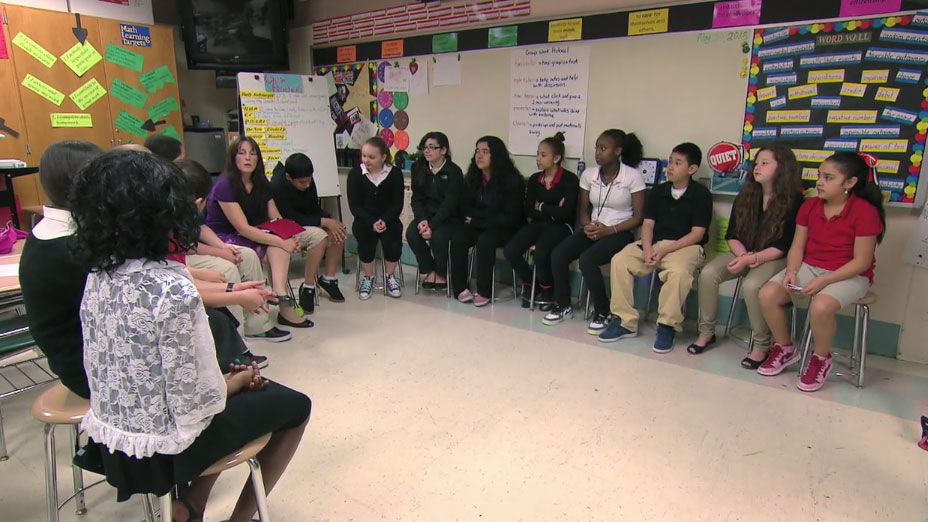
Understanding Behaviors Building Positive Cultures in Schools plays a central role in shaping how students…
View Blog