
- News
Best Places to Study and Do Homework
Finding the right place to study or do homework can make a huge difference in…
View Blog

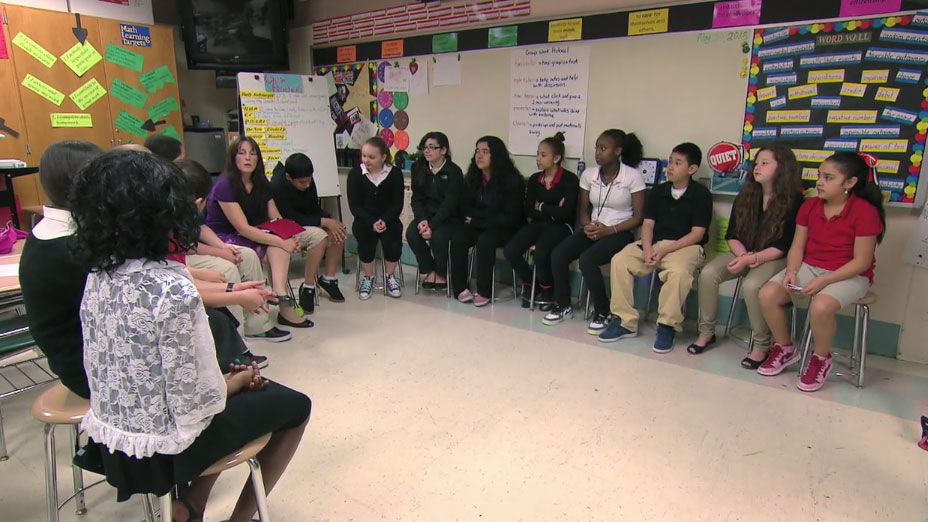
Understanding Behaviors Building Positive Cultures in Schools plays a central role in shaping how students learn, interact, and grow within academic environments. School life is not only about lessons, textbooks, or examinations; it is equally about behavior patterns that influence classroom harmony and student development. Every interaction between students and teachers contributes to a wider culture that defines whether learning feels supportive or stressful. Behavior becomes the foundation on which academic progress stands, because even strong curriculum design fails when classroom behavior is inconsistent or disruptive.
Modern educational environments, including schools across the UAE, increasingly focus on structured behavior systems that support emotional well-being, academic focus, and social responsibility. These systems are designed to guide students toward positive decision-making, respectful communication, and disciplined learning habits. When students understand expectations clearly, they are more likely to engage in lessons, participate in discussions, and develop confidence in their abilities. Positive school culture is not accidental; it is created through consistent behavioral guidance, teacher influence, parental involvement, and leadership direction working together.
A deeper understanding of structured support systems, such as school behavior counseling programs, shows how institutions actively support students facing emotional or behavioral challenges while strengthening overall school culture. These systems help schools move from reactive discipline to guided development approaches that improve long-term student outcomes.
The role of institutions such as Mindbase Education becomes important in this context as they support schools in building structured learning environments that prioritize behavior development and emotional well-being.
Student behavior in school environments refers to the way learners respond to instructions, interact with peers, manage emotions, and engage with academic tasks. These behavioral patterns are shaped by multiple internal and external factors, including upbringing, emotional maturity, peer influence, and classroom structure. Some students show consistent discipline and focus, while others may struggle with attention, emotional regulation, or following instructions. These differences are natural and reflect developmental stages rather than fixed abilities.
In structured learning environments, behavior is closely linked with academic success. Students who demonstrate positive classroom behavior tend to show better focus, stronger participation, and higher academic achievement. Meanwhile, students facing behavioral challenges often struggle with concentration, assignment completion, and peer interaction. This shows that behavior is not separate from learning, but deeply connected to how students process information and respond to educational expectations.
Emotional development plays a major role in shaping student behavior in schools. Students who can manage frustration, anxiety, and peer pressure tend to adapt more easily to classroom demands. On the other hand, emotional instability can lead to disruptions, withdrawal, or lack of engagement in learning activities. Emotional regulation skills are, therefore, essential for building positive behavior patterns that support long-term academic growth.
Teachers often observe that emotional triggers such as stress before exams, conflicts with peers, or a lack of understanding in lessons can directly affect classroom behavior. Recognizing these emotional factors helps educators respond with patience and structured support rather than punishment alone. This approach strengthens trust between students and teachers, creating a more stable learning environment.
School culture refers to the shared values, expectations, and practices that define how people behave within an educational institution. A positive school culture promotes respect, responsibility, and cooperation among students and staff. When students enter a school environment where expectations are clear and consistently reinforced, they naturally adapt to those behavioral standards over time.
Classroom structure, school policies, and daily routines all contribute to shaping behavior. Predictable environments reduce confusion and help students understand what is expected of them. When rules are applied fairly and consistently, students are more likely to respect boundaries and develop discipline. In contrast, inconsistent enforcement of rules often leads to confusion and behavioral issues.
Teachers play one of the most important roles in shaping student behavior. Their communication style, classroom management approach, and emotional responses directly influence how students behave. A calm and structured teacher often creates a more disciplined classroom environment, while inconsistent behavior from educators can lead to confusion among students.
Positive teacher-student relationships are built through trust, respect, and clear communication. When students feel understood and supported, they are more likely to follow instructions and engage actively in learning. Teachers who use encouragement, structured feedback, and fair discipline methods help students develop stronger behavioral habits over time.
Family environment has a strong impact on how students behave in school. Children learn initial behavioral patterns at home through observation and interaction with parents or guardians. Supportive family environments that encourage discipline, communication, and respect often result in more stable student behavior in school settings.
When home expectations align with school expectations, students experience consistency that strengthens behavioral development. However, a lack of structure at home or inconsistent discipline can lead to confusion in school behavior. This highlights the importance of communication between parents and educators in supporting student development.
Peer influence is another major factor affecting student behavior. Students often mirror the actions and attitudes of their friends, especially during adolescence. Positive peer groups encourage motivation, cooperation, and academic engagement, while negative peer influence can lead to distraction, conflict, and reduced academic focus.
Schools that promote teamwork, group activities, and collaborative learning often help students develop healthier social interactions. These environments encourage communication skills and reduce behavioral conflicts among students.
Classroom design and structure also influence behavior significantly. Well-organized classrooms with clear routines and accessible learning materials help students stay focused and engaged. A structured learning environment reduces uncertainty and supports better behavioral control.
Teachers who maintain consistent routines for lessons, assignments, and assessments create a sense of stability. This stability helps students understand expectations and reduces behavioral disruptions during learning sessions.
Clear behavioral expectations are essential for building a positive school culture. Students perform better when they understand what is expected from them in terms of conduct, participation, and respect. Simple and consistent rules help reduce confusion and encourage responsible behavior.
When expectations are communicated regularly and reinforced consistently, students develop a strong understanding of acceptable behavior. This clarity reduces classroom conflicts and supports smoother learning experiences.
Positive reinforcement is one of the most effective methods for encouraging good behavior in schools. Recognizing and appreciating positive actions motivates students to repeat those behaviors. This can include verbal praise, recognition in class, or other structured reward systems.
When students feel that their efforts are noticed, they become more engaged in learning and more likely to follow behavioral expectations. Positive reinforcement also helps build self-confidence and encourages long-term behavioral improvement.
Emotional support systems in schools help students manage stress, anxiety, and social challenges. Counseling services, teacher guidance, and structured support, such as school behavior counseling programs, play a strong role in guiding students toward healthier behavior patterns. When students feel emotionally supported, they are more likely to behave positively in classroom environments.
Well-being-focused approaches in education recognize that behavior is closely linked to emotional health. Schools that prioritize student well-being often see improved behavior, stronger engagement, and better academic outcomes.
Positive school culture has a direct impact on academic performance. Students who learn in supportive environments tend to show higher levels of focus, motivation, and achievement. Behavioral stability allows students to concentrate on learning rather than managing conflicts or stress.
Consistent behavioral systems also reduce classroom disruptions, allowing teachers to deliver lessons more effectively. This leads to a better understanding of academic content and improved exam performance.
Beyond academics, positive behavior systems help students develop essential life skills. These include communication, teamwork, problem-solving, and emotional regulation. These skills are important not only in school but also in future professional and personal environments.
Students who learn to manage behavior effectively in school are better prepared for real-world challenges. They develop responsibility, accountability, and adaptability, which are key qualities for long-term success.
Understanding Behaviors Building Positive Cultures in Schools requires a deep focus on emotional development, structured learning environments, and consistent behavioral guidance. Schools that invest in positive behavior systems create environments where students feel safe, respected, and motivated to learn.
Behavior is not a separate element of education; it is the foundation that supports all academic and social development. When teachers, parents, and school leaders work together, they create a culture where positive behavior becomes natural and consistent. Over time, this leads to stronger academic outcomes, improved emotional well-being, and better preparation for future challenges in life.
Understanding student behavior helps teachers create effective learning environments where students feel guided and supported. It also improves classroom discipline, academic performance, and overall school culture.
Schools build positive culture by setting clear expectations, applying consistent rules, and encouraging respectful communication. When behavior systems are structured, students naturally adapt to positive learning habits.
Teachers influence behavior through communication style, classroom structure, and emotional support. Consistent guidance and fair discipline help students develop responsibility and self-control.
Emotional well-being directly impacts focus, participation, and response to instructions. Students with stable emotions are more likely to show positive behavior and engage effectively in learning activities.
Yes, counseling programs help students manage stress, emotions, and behavioral challenges in a structured way. They provide guidance that improves self-awareness and supports long-term positive behavior development.
Finding the right place to study or do homework can make a huge difference in…
View Blog
School students today navigate a rapidly evolving world shaped by technology and artificial intelligence. Achieving…
View Blog