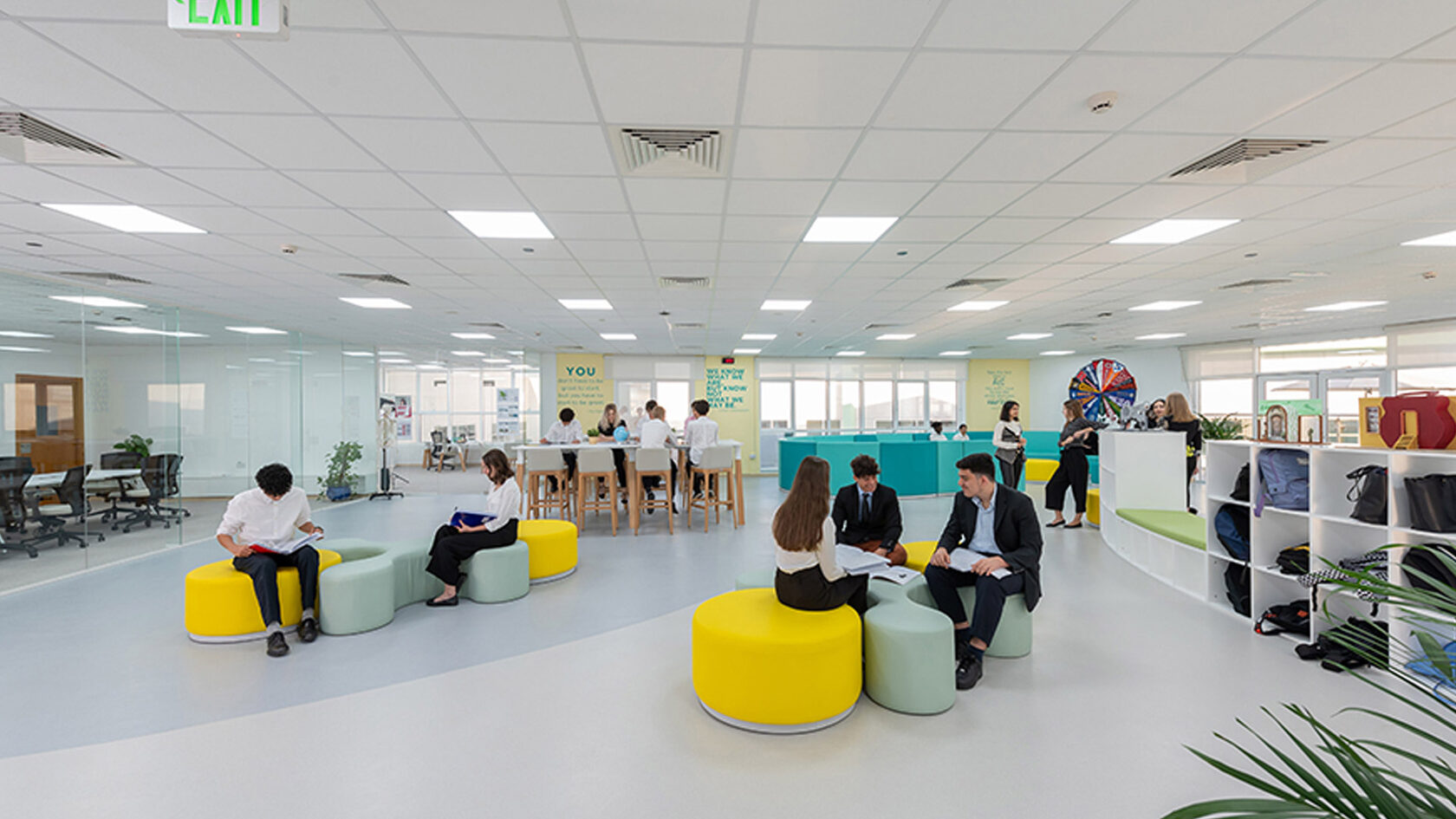
Top Indian Schools in Dubai for Quality Education 2026 Complete Parent Guide

Overview of Indian Schools in Dubai and Why They Matter for Academic Success

Dubai has developed into one of the most important global education destinations for Indian families seeking structured academic pathways and internationally recognized schooling standards. The demand for Indian curriculum schools in Dubai continues to grow due to a large expatriate population, strong academic outcomes, and alignment with both Indian and global higher education pathways. Parents searching for the best Indian schools in Dubai for quality education are often focused on academic excellence, affordable fee structures, strong CBSE and ICSE curriculum delivery, and long-term university placement success.

Many families also rely on expert support systems, such as education counseling for Indian schools, to understand curriculum differences, admission pathways, and long-term academic planning before selecting a school.

Indian curriculum schools in Dubai primarily follow the Central Board of Secondary Education and Indian Certificate of Secondary Education frameworks. CBSE schools in Dubai are particularly known for science and mathematics strength, while ICSE schools emphasize conceptual learning, language proficiency, and analytical depth. This combination makes Indian curriculum schools highly suitable for families who want academic stability with global opportunities.

Another important factor driving the popularity of Indian schools in Dubai is the strong regulatory framework provided by the education authorities. Schools are regularly evaluated on teaching quality, leadership, student achievement, and overall academic environment. These evaluations help parents make informed decisions based on performance indicators rather than marketing claims.

Key Factors That Define the Best Indian Schools in Dubai for Quality Education

Academic Excellence, Board Results, and Curriculum Strength

Academic performance remains the most important factor when evaluating top Indian schools in Dubai. Schools with consistent CBSE and ICSE board results demonstrate strong teaching methodologies, structured lesson planning, and effective student support systems. High-performing schools invest heavily in exam preparation strategies, subject mastery programs, and continuous assessment systems that help students improve steadily over time.

Curriculum strength also plays a major role in defining educational quality. CBSE schools focus on logical reasoning, problem solving, and exam-oriented preparation, while ICSE schools focus on depth of understanding and language-based learning. Many leading institutions in Dubai also offer hybrid pathways that include IB or international programs for students planning higher education abroad.

Faculty Quality, Teaching Methods, and Student Development

Teacher expertise is a major determinant of school quality in Dubai. The best Indian schools in Dubai hire qualified educators with strong subject knowledge and experience in handling diverse student needs. Teaching methods have evolved significantly, moving from traditional rote learning to interactive, student-centered approaches that include project-based learning, digital classrooms, and collaborative activities.

Student development goes beyond academics in top institutions. Schools focus on leadership training, communication skills, creativity development, and emotional intelligence. This holistic approach ensures that students are prepared not only for board examinations but also for real-world challenges and global university environments.

Infrastructure, Learning Environment, and Technology Integration

Modern infrastructure is a defining feature of quality Indian schools in Dubai. Science laboratories, advanced computer labs, digital classrooms, libraries, and sports facilities contribute directly to student engagement and performance. Schools that invest in infrastructure create environments that support curiosity-driven learning and practical application of knowledge.

Technology integration has become a major factor in education quality. Smart boards, e-learning platforms, virtual assignments, and AI-supported learning tools are increasingly used in classrooms. These tools enhance understanding, improve accessibility, and allow personalized learning experiences for students with different academic needs.

Top Indian Schools in Dubai for Quality Education and Academic Excellence

GEMS Modern Academy and International Academic Pathways

GEMS Modern Academy is widely recognized as one of the leading Indian curriculum schools in Dubai due to its strong academic reputation and dual curriculum offering. The school provides both ICSE and IB pathways, giving students flexibility in choosing between a structured national curriculum and international education routes.

The academic environment at GEMS Modern Academy is highly competitive and designed for students aiming for top global universities. Strong emphasis is placed on science, technology, innovation, and creative thinking. Students benefit from advanced laboratories, research-based projects, and well-developed extracurricular systems that support overall personality growth.

Delhi Private School Dubai and Strong CBSE Performance Culture

Delhi Private School Dubai is one of the most respected CBSE schools in the region, known for consistent academic excellence and a disciplined learning structure. The school has built a strong reputation for producing high-performing students in board examinations and maintaining stable academic outcomes across all grades.

The learning environment focuses on structured syllabus completion, regular assessments, and targeted exam preparation strategies. Students are trained to develop conceptual clarity in mathematics, science, and language subjects. Alongside academics, the school places strong emphasis on cultural activities, sports, and leadership programs that contribute to balanced student development.

The Indian High School Dubai and Legacy Driven Education System

The Indian High School Dubai is one of the oldest and most established CBSE schools in the United Arab Emirates. Its long academic history has made it a trusted institution among Indian families seeking reliable and affordable education with strong academic outcomes.

The school follows a disciplined academic system with structured lesson planning, regular evaluations, and a strong focus on board examination performance. Over the years, it has developed a strong alumni network with graduates successfully pursuing higher education and professional careers globally. Its affordability, combined with academic reliability, makes it a preferred choice for many families.

GEMS Our Own English High School and Value-Based Learning Approach

GEMS Our Own English High School is known for delivering consistent CBSE education with a strong focus on values, discipline, and academic stability. The school has maintained a long-standing reputation for structured teaching and strong student performance in board examinations.

Its academic system is designed to support gradual and steady learning progression. Students are encouraged to develop strong study habits, discipline, and responsibility. The school also promotes extracurricular participation, helping students build confidence and interpersonal skills alongside academic success.

Springdales School Dubai and Balanced Academic Development

Springdales School Dubai offers a complete CBSE education pathway from early years to senior secondary levels. The institution is known for its balanced approach to academics and co-curricular development, making it suitable for families seeking holistic education.

The school focuses on analytical thinking, creativity, communication skills, and leadership development. Students are exposed to sports, arts, innovation activities, and academic challenges that prepare them for higher education environments. This balanced approach ensures strong academic performance along with personal growth.

JSS Private School Dubai and Experiential Learning Model

JSS Private School Dubai is recognized for its experiential learning model that focuses on active participation and practical understanding of academic concepts. The CBSE curriculum is delivered through interactive teaching methods that encourage curiosity and engagement.

The school places strong emphasis on creativity, innovation, and student participation in extracurricular programs. Facilities such as modern laboratories, digital classrooms, and activity-based learning environments enhance the overall educational experience. This approach helps students develop both academic knowledge and practical life skills.

Comparison of Indian Curriculum Schools in Dubai Based on Key Performance Indicators

Indian schools in Dubai differ significantly based on academic strength, fee structure, teaching methodology, and long-term student outcomes. Premium institutions such as GEMS Modern Academy focus on international exposure and advanced academic pathways. Mid-range schools like Delhi Private School and Springdales focus on strong CBSE performance combined with balanced development. Legacy schools like The Indian High School focus on affordability and consistent academic results.

Fee structures vary widely across schools depending on infrastructure, curriculum, and reputation. Some institutions provide budget-friendly education without compromising academic quality, while others offer premium facilities with international programs. Parents must evaluate long-term affordability alongside academic goals to ensure sustainable education planning.

Important Considerations for Choosing the Right Indian School in Dubai

School selection in Dubai requires careful consideration of multiple practical and academic factors. Location plays a major role because daily commute times can significantly impact student energy levels and study performance. Schools closer to residential areas often provide better convenience and reduced travel stress.

Teacher quality and stability are equally important because experienced educators contribute directly to academic success. Schools with continuous teacher training programs and stable faculty teams often deliver better long-term results.

Extracurricular opportunities also play a critical role in student development. Participation in sports, arts, cultural events, and leadership programs helps students build confidence, teamwork skills, and communication abilities that are essential for future success.

University placement records provide another important measure of school quality. Top Indian schools in Dubai consistently produce students who gain admission to reputable universities across the United Kingdom, the United States, Canada, India, and other global education destinations.

Platforms like Mindbase Education also help parents evaluate school options based on structured guidance and informed academic decision-making.

Final Insights on Top Indian Schools in Dubai for Quality Education

Indian schools in Dubai offer a wide range of academic opportunities designed to meet the needs of diverse families and student goals. From highly competitive international institutions to affordable and structured CBSE schools, the education landscape provides strong options for every academic requirement.

The most successful school choice depends on aligning curriculum strength, teaching quality, infrastructure, location, and long-term career aspirations. Families that carefully evaluate these factors are more likely to select schools that support both academic achievement and overall personal development.

A well-chosen Indian school in Dubai not only delivers strong academic results but also shapes discipline, confidence, and future readiness, ensuring students are fully prepared for higher education and global career opportunities.


Top 10 Schools in Dubai: Complete Guide for Parents Choosing the Best Education in 2026

Dubai has become one of the most competitive international education destinations in the world, attracting families from every continent who are searching for high-quality schooling, strong academic outcomes, and globally recognized qualifications. Parents searching for the top 10 schools in Dubai are usually looking for more than a list of names; they want clarity on academic performance, curriculum differences, fee structures, admission difficulty, and long-term university outcomes. With hundreds of private schools operating in the city, the decision-making process can feel overwhelming, especially when every institution claims excellence.

Families often seek professional guidance during this journey, and many rely on trusted education advisors such as Mindbase Education to understand school differences, admission pathways, and curriculum alignment before making a final decision.

Understanding the education landscape in Dubai requires a deeper look into how schools are evaluated, how curricula differ, and how student outcomes are shaped by teaching quality and learning environments. Dubai schools operate under the supervision of the Knowledge and Human Development Authority, which regularly inspects institutions and assigns ratings based on academic achievement, teaching quality, leadership, and student well-being. These factors create a transparent framework that helps parents compare schools more effectively.

Understanding School Education in Dubai and What Makes a School Stand Out

Academic performance, curriculum structure, and learning environment

School selection in Dubai depends heavily on curriculum choice, as each system offers a different academic journey and university pathway. British curriculum schools follow a structured system leading to GCSE and A Level examinations, which are widely accepted by universities in the United Kingdom and other global institutions. International Baccalaureate schools focus on inquiry-based learning, research skills, and critical thinking development, while American curriculum schools offer flexible learning pathways supported by SAT and Advanced Placement programs.

Many parents also search for school selection assistance in Dubai to better understand admission requirements, curriculum differences, and long-term academic planning for their children.

Academic performance alone does not define a strong school. Teaching quality, student teacher ratios, extracurricular opportunities, and pastoral care all play a major role in shaping student success. Schools that combine strong academic results with emotional and social development tend to produce more balanced graduates who adapt better to higher education environments.

Top 10 Schools in Dubai for Academic Excellence and Student Development

Dubai International Academy, Emirates Hills

Dubai International Academy is widely recognized as one of the strongest International Baccalaureate schools in Dubai, offering the full IB continuum from primary years to diploma level. The school has built a strong reputation for academic consistency, especially in IB Diploma results, where students regularly achieve above global averages. Its learning environment promotes inquiry-based education, encouraging students to question, analyze, and apply knowledge in real-world contexts. The multicultural student population also strengthens communication skills and global awareness, which are essential for international university pathways. Many graduates progress to top universities across the United States, the United Kingdom, Canada, and Europe due to strong academic preparation and research-based learning methods.

Jumeirah English Spresearch-basedArabian Ranches

Jumeirah English Speaking School is one of the most respected non-profit educational institutions in Dubai, offering both British curriculum and International Baccalaureate options. The school is known for its balanced approach to education, where academic achievement is combined with creativity, leadership, and personal development. Students benefit from experienced teachers who focus on independent thinking and problem-solving rather than rote memorization. Problem-solving encourages participation in sports, arts, and leadership programs, which helps students build confidence and communication skills. Families often choose this institution because it consistently delivers strong academic outcomes while maintaining a supportive and inclusive culture.

GEMS Wellington International School Al Sufouh

GEMS Wellington International School is a leading British curriculum institution with a strong academic track record and modern learning infrastructure. The school also offers the International Baccalaureate Diploma Programme in senior years, providing flexibility for students with different academic goals. It is known for strong performance in science, mathematics, and English subjects, supported by advanced teaching methods and well-equipped classrooms. Students are encouraged to participate in innovation-based learning activities that develop analytical thinking and problem-solving skills. The school also places strong emphasis on extracurricular development, ensuring students are well prepared for university applications and global career opportunities.

Dubai College Al Sufouh

Dubai College is one of the most selective and academically rigorous British curriculum schools in Dubai. Admission is highly competitive, and students are expected to demonstrate strong academic ability before joining. The school consistently achieves outstanding GCSE and A Level results, making it one of the top choices for families focused on academic excellence. The teaching approach is structured and disciplined, with a strong emphasis on examination performance and subject mastery. Students from Dubai College frequently gain admission into top global universities, particularly in the United Kingdom, due to the school’s strong academic reputation and consistent results.

GEMS Dubai American Academy Al Barsha

GEMS Dubai American Academy follows the American curriculum and integrates the International Baccalaureate Diploma Programme in senior grades. This dual pathway system provides students with flexibility when planning university applications across different countries. The school is well known for its strong extracurricular programs, including sports, performing arts, and leadership development initiatives. Students benefit from a well-rounded education that combines academic learning with creative and physical development. Many graduates pursue higher education in North America, supported by SAT preparation and Advanced Placement courses that align with American university requirements.

Repton School Dubai Nad Al Sheba

Repton School Dubai is a prestigious British curriculum school that also offers boarding facilities, making it a preferred choice for international families. The school focuses on structured academic development combined with personal growth and leadership training. Boarding students benefit from a supportive residential environment that encourages independence and responsibility. Academic programs are designed to prepare students for competitive university entry, with a strong emphasis on consistency and discipline. The school also offers extensive extracurricular programs that support sports, arts, and leadership development, creating a balanced educational experience.

GEMS World Academy Al Barsha South

GEMS World Academy is a well-established International Baccalaureate World School offering the full IB continuum. The school promotes inquiry-based learning where students actively engage in problem-solving, research projects, and collaborative activities. This approach helps develop critical thinking and analytical skills that are essential for higher education success. The school environment is highly international, providing exposure to diverse cultures and perspectives. Students are encouraged to take ownership of their learning journey, which strengthens independence and academic confidence.

Nord Anglia International School Dubai Al Barsha

Nord Anglia International School Dubai is part of a global education network that connects students with schools around the world. The school follows the British curriculum and enhances learning through international collaborations and enrichment programs. Strong emphasis is placed on creative arts, performing arts, and digital innovation, giving students opportunities to explore different talents beyond academics. The school is known for maintaining high academic standards while also encouraging global awareness and cultural understanding. This combination prepares students for success in international universities and modern career paths.

Kings School Dubai Al Barsha

King’s School Dubai is one of the most respected primary education institutions in the city, known for its strong foundation in early learning. The school focuses on literacy, numeracy, communication skills, and emotional development during the early years of education. Teachers provide personalized attention to ensure that each child develops confidence and curiosity. The learning environment is structured yet nurturing, helping young students build strong academic habits from an early age. Many families choose this school as a foundation before transitioning to leading secondary institutions in Dubai.

Sunmarke School Jumeirah Village Triangle

Sunmarke School offers both British curriculum and International Baccalaureate pathways, providing flexibility for students with different academic goals. The school is known for its modern approach to education, combining academic learning with innovation, leadership, and creativity. Students are encouraged to participate in technology-based learning, sports, arts, and entrepreneurship activities. This balanced model helps students develop both academic strength and practical life skills. The school continues to gain popularity among families looking for a progressive and future-focused education system.

Key Curriculum Choices in Dubai Schools and How They Impact Learning Outcomes

British curriculum, International Baccalaureate, and American pathways

British curriculum schools in Dubai provide a structured academic pathway that leads to GCSE and A Level qualifications. This system is highly regarded for its clarity and strong subject specialization. International Baccalaureate schools focus on holistic learning, research skills, and interdisciplinary thinking, making them suitable for students who prefer analytical and inquiry-based education. American curriculum schools offer flexibility and continuous assessment, supporting students who aim for universities in North America and other global destinations. Each system has unique strengths, and the best choice depends on a student’s learning style and future academic goals.

How Parents Should Choose the Right School in Dubai

Academic goals, location, fees, and student personality fit

Choosing the right school requires evaluating long-term academic goals, not just short-term performance. Parents should consider whether the student is more suited to structured examinations or flexible learning environments. Location also plays a critical role, as long commute times can impact student energy and performance. Tuition fees vary significantly across schools, but a higher cost does not always guarantee better academic outcomes. Evaluating teaching quality, student support systems, and extracurricular opportunities provides a more accurate understanding of school value. A strong school choice aligns academic structure with student personality, ensuring long-term success in both education and personal development.

Final Perspective on Top 10 Schools in Dubai and Education Quality

Dubai continues to strengthen its position as a global education hub by offering diverse academic pathways and internationally recognized qualifications. The top 10 schools in Dubai represent a combination of academic excellence, strong teaching standards, and modern learning environments. Each institution offers unique strengths that cater to different student needs, whether focused on IB, British, or American systems. Families who carefully analyze curriculum structure, academic outcomes, and student development opportunities are more likely to select a school that supports long-term success.

Understanding Behaviors Building Positive Cultures in Schools

Understanding Behaviors Building Positive Cultures in Schools plays a central role in shaping how students learn, interact, and grow within academic environments. School life is not only about lessons, textbooks, or examinations; it is equally about behavior patterns that influence classroom harmony and student development. Every interaction between students and teachers contributes to a wider culture that defines whether learning feels supportive or stressful. Behavior becomes the foundation on which academic progress stands, because even strong curriculum design fails when classroom behavior is inconsistent or disruptive.

Modern educational environments, including schools across the UAE, increasingly focus on structured behavior systems that support emotional well-being, academic focus, and social responsibility. These systems are designed to guide students toward positive decision-making, respectful communication, and disciplined learning habits. When students understand expectations clearly, they are more likely to engage in lessons, participate in discussions, and develop confidence in their abilities. Positive school culture is not accidental; it is created through consistent behavioral guidance, teacher influence, parental involvement, and leadership direction working together.

A deeper understanding of structured support systems, such as school behavior counseling programs, shows how institutions actively support students facing emotional or behavioral challenges while strengthening overall school culture. These systems help schools move from reactive discipline to guided development approaches that improve long-term student outcomes.

The role of institutions such as Mindbase Education becomes important in this context as they support schools in building structured learning environments that prioritize behavior development and emotional well-being.

What Student Behavior Means in School Environments

Behavioral Patterns in Academic Settings

Student behavior in school environments refers to the way learners respond to instructions, interact with peers, manage emotions, and engage with academic tasks. These behavioral patterns are shaped by multiple internal and external factors, including upbringing, emotional maturity, peer influence, and classroom structure. Some students show consistent discipline and focus, while others may struggle with attention, emotional regulation, or following instructions. These differences are natural and reflect developmental stages rather than fixed abilities.

In structured learning environments, behavior is closely linked with academic success. Students who demonstrate positive classroom behavior tend to show better focus, stronger participation, and higher academic achievement. Meanwhile, students facing behavioral challenges often struggle with concentration, assignment completion, and peer interaction. This shows that behavior is not separate from learning, but deeply connected to how students process information and respond to educational expectations.

Emotional Influence on Behavior

Emotional development plays a major role in shaping student behavior in schools. Students who can manage frustration, anxiety, and peer pressure tend to adapt more easily to classroom demands. On the other hand, emotional instability can lead to disruptions, withdrawal, or lack of engagement in learning activities. Emotional regulation skills are, therefore, essential for building positive behavior patterns that support long-term academic growth.

Teachers often observe that emotional triggers such as stress before exams, conflicts with peers, or a lack of understanding in lessons can directly affect classroom behavior. Recognizing these emotional factors helps educators respond with patience and structured support rather than punishment alone. This approach strengthens trust between students and teachers, creating a more stable learning environment.

How School Culture Shapes Student Behavior

Role of School Environment in Behavior Formation

School culture refers to the shared values, expectations, and practices that define how people behave within an educational institution. A positive school culture promotes respect, responsibility, and cooperation among students and staff. When students enter a school environment where expectations are clear and consistently reinforced, they naturally adapt to those behavioral standards over time.

Classroom structure, school policies, and daily routines all contribute to shaping behavior. Predictable environments reduce confusion and help students understand what is expected of them. When rules are applied fairly and consistently, students are more likely to respect boundaries and develop discipline. In contrast, inconsistent enforcement of rules often leads to confusion and behavioral issues.

Teacher Influence on Behavioral Development

Teachers play one of the most important roles in shaping student behavior. Their communication style, classroom management approach, and emotional responses directly influence how students behave. A calm and structured teacher often creates a more disciplined classroom environment, while inconsistent behavior from educators can lead to confusion among students.

Positive teacher-student relationships are built through trust, respect, and clear communication. When students feel understood and supported, they are more likely to follow instructions and engage actively in learning. Teachers who use encouragement, structured feedback, and fair discipline methods help students develop stronger behavioral habits over time.

Key Factors That Influence Student Behavior in Schools

Home Environment and Family Influence

Family environment has a strong impact on how students behave in school. Children learn initial behavioral patterns at home through observation and interaction with parents or guardians. Supportive family environments that encourage discipline, communication, and respect often result in more stable student behavior in school settings.

When home expectations align with school expectations, students experience consistency that strengthens behavioral development. However, a lack of structure at home or inconsistent discipline can lead to confusion in school behavior. This highlights the importance of communication between parents and educators in supporting student development.

Peer Relationships and Social Interaction

Peer influence is another major factor affecting student behavior. Students often mirror the actions and attitudes of their friends, especially during adolescence. Positive peer groups encourage motivation, cooperation, and academic engagement, while negative peer influence can lead to distraction, conflict, and reduced academic focus.

Schools that promote teamwork, group activities, and collaborative learning often help students develop healthier social interactions. These environments encourage communication skills and reduce behavioral conflicts among students.

Classroom Structure and Learning Environment

Classroom design and structure also influence behavior significantly. Well-organized classrooms with clear routines and accessible learning materials help students stay focused and engaged. A structured learning environment reduces uncertainty and supports better behavioral control.

Teachers who maintain consistent routines for lessons, assignments, and assessments create a sense of stability. This stability helps students understand expectations and reduces behavioral disruptions during learning sessions.

Building Positive Behavior Systems in Schools

Importance of Clear Expectations and Rules

Clear behavioral expectations are essential for building a positive school culture. Students perform better when they understand what is expected from them in terms of conduct, participation, and respect. Simple and consistent rules help reduce confusion and encourage responsible behavior.

When expectations are communicated regularly and reinforced consistently, students develop a strong understanding of acceptable behavior. This clarity reduces classroom conflicts and supports smoother learning experiences.

Role of Positive Reinforcement in Behavior Improvement

Positive reinforcement is one of the most effective methods for encouraging good behavior in schools. Recognizing and appreciating positive actions motivates students to repeat those behaviors. This can include verbal praise, recognition in class, or other structured reward systems.

When students feel that their efforts are noticed, they become more engaged in learning and more likely to follow behavioral expectations. Positive reinforcement also helps build self-confidence and encourages long-term behavioral improvement.

Emotional Support and Student Wellbeing

Emotional support systems in schools help students manage stress, anxiety, and social challenges. Counseling services, teacher guidance, and structured support, such as school behavior counseling programs, play a strong role in guiding students toward healthier behavior patterns. When students feel emotionally supported, they are more likely to behave positively in classroom environments.

Well-being-focused approaches in education recognize that behavior is closely linked to emotional health. Schools that prioritize student well-being often see improved behavior, stronger engagement, and better academic outcomes.

Long-Term Impact of Positive School Culture

Academic Growth and Performance Improvement

Positive school culture has a direct impact on academic performance. Students who learn in supportive environments tend to show higher levels of focus, motivation, and achievement. Behavioral stability allows students to concentrate on learning rather than managing conflicts or stress.

Consistent behavioral systems also reduce classroom disruptions, allowing teachers to deliver lessons more effectively. This leads to a better understanding of academic content and improved exam performance.

Social Development and Life Skills

Beyond academics, positive behavior systems help students develop essential life skills. These include communication, teamwork, problem-solving, and emotional regulation. These skills are important not only in school but also in future professional and personal environments.

Students who learn to manage behavior effectively in school are better prepared for real-world challenges. They develop responsibility, accountability, and adaptability, which are key qualities for long-term success.

Conclusion on Understanding Behaviors: Building Positive Cultures in Schools

Understanding Behaviors Building Positive Cultures in Schools requires a deep focus on emotional development, structured learning environments, and consistent behavioral guidance. Schools that invest in positive behavior systems create environments where students feel safe, respected, and motivated to learn.

Behavior is not a separate element of education; it is the foundation that supports all academic and social development. When teachers, parents, and school leaders work together, they create a culture where positive behavior becomes natural and consistent. Over time, this leads to stronger academic outcomes, improved emotional well-being, and better preparation for future challenges in life.

FAQs

  1. Why is understanding student behavior important in schools?

Understanding student behavior helps teachers create effective learning environments where students feel guided and supported. It also improves classroom discipline, academic performance, and overall school culture.

  1. How do schools build a positive culture through behavior management?

Schools build positive culture by setting clear expectations, applying consistent rules, and encouraging respectful communication. When behavior systems are structured, students naturally adapt to positive learning habits.

  1. What role do teachers play in shaping student behavior?

Teachers influence behavior through communication style, classroom structure, and emotional support. Consistent guidance and fair discipline help students develop responsibility and self-control.

  1. How does emotional well-being affect student behavior in classrooms?

Emotional well-being directly impacts focus, participation, and response to instructions. Students with stable emotions are more likely to show positive behavior and engage effectively in learning activities.

  1. Can counseling programs improve student behavior in schools?

Yes, counseling programs help students manage stress, emotions, and behavioral challenges in a structured way. They provide guidance that improves self-awareness and supports long-term positive behavior development.

How can school students get future-ready?

School students today navigate a rapidly evolving world shaped by technology and artificial intelligence. Achieving future readiness requires blending strong academic fundamentals with critical thinking and adaptability. Through personalized counseling for students, learners build essential life skills and map out clear university targets. Pair career discovery with expert academic tutoring to help UAE students master core subjects and transition confidently into higher education.

Many education-focused platforms, such as Mindbase Education, highlight how structured learning support and modern guidance systems can help students move beyond traditional study patterns and build stronger future-focused capabilities.

Meaning of future readiness for the future-readiness

Future readiness refers to the ability of students to succeed in unpredictable environments by using knowledge, skills, and mindset rather than relying only on textbooks or fixed answers. It is about preparing learners for careers that may not exist today and problems that do not have standard solutions. A future-ready student is someone who can analyze information, make informed decisions, and adjust to changing situations without losing direction.

Modern education systems focus on the idea that future readiness is built through a combination of academic knowledge and life skills. Students are expected to understand core subjects while also developing abilities such as communication, collaboration, creativity, and digital literacy. These combined skills help students move beyond traditional exam-focused learning and prepare them for dynamic professional environments where adaptability is essential.

Why future readiness is important for school students in the UAE

The UAE education landscape is rapidly evolving with strong investment in innovation, technology, and artificial intelligence learning. Schools are introducing advanced curricula that include coding, robotics, and digital tools from early stages of education. This shift is designed to prepare students for a future economy driven by knowledge, automation, and digitization.

Future readiness demands a strategic balance of technical knowledge, human skills, and academic excellence. While critical thinking and digital literacy form the backbone of modern education, mastering rigorous curricula remains crucial. Exploring specialized test prep guidance helps students excel in entrance exams, while expert career guidance articles provide the clarity needed to choose future-proof career paths.

Core skills required for future-ready school students

Future readiness depends on a future-ready combination of technical skills and human skills. Academic knowledge alone is not enough; students must also develop practical abilities that allow them to apply what they learn in real situations.

Critical thinking and analytical reasoning skills

Critical thinking is one of the most important skills for future-ready students because it allows them to evaluate information carefully and make logical decisions. Instead of memorizing answers, students learn how to understand problems, identify patterns, and choose the best possible solutions. Analytical reasoning helps students break complex-world decision-making and understand how each part connects to the bigger picture. This skill is especially important in subjects like mathematics, science, and economics, where logical thinking plays a major role.

Students who develop strong critical thinking skills are better prepared for exams, projects, and real-world decision-making because they do not depend on guesswork; they depend on structured understanding.

Digital literacy and technology awareness

Digital literacy has become a fundamental requirement in modern education. Students must understand how to use digital tools, online platforms, and emerging technologies responsibly and effectively. This includes basic computer skills, internet research abilities, and familiarity with digital communication tools used in education and workplaces.

In the UAE, schools are increasingly integrating artificial intelligence education into classrooms, helping students understand how technology shapes industries and daily life. Digital awareness also includes online safety, responsible usage of information, and understanding how data is created and shared in digital environments. Students who are digitally literate gain a strong advantage in both academic learning and future career development.

Communication and collaboration skills

Communication skills are essential for future success because students must be able to express ideas clearly in writing and speaking. Strong communication helps students perform better in presentations, group projects, and academic discussions. Collaboration skills allow students to work effectively in teams, share responsibilities, and respect different perspectives.

Modern workplaces rely heavily on teamwork, often across different countries and cultures. Students who develop strong communication and collaboration skills during school are better prepared for professional environments where teamwork and coordination are essential for success.

Creativity and innovativeness open-ended set

Creativity is not limited to art or design subjects; it is a way of thinking that helps students find new solutions to problems. Innovative thinking allows students to approach challenges from different angles and develop original ideas. Schools that encourage creative, research-based projects, experiments, and open-ended questions help students build confidence in their thinking abilities.

An innovation mindset is important because future careers often require new solutions to unknown problems. Students who think creatively are more likely to succeed in entrepreneurship, technology, and research-based fields.

Adaptability and lifelong learning ability

Adaptability is the ability to adjust to new environments, systems, and challenges without losing focus or confidence. In a long-term changing world, students must learn how to accept change as a normal part of life. Lifelong learning means continuously improving skills even after formal education ends.

Students who develop adaptability are more comfortable with new technologies, teaching methods, and career changes. This flexibility ensures long-term success in a world where industries and job roles constantly evolve.

Practical ways school students can become future-ready

Future readiness is developed through future-ready habits and real-world exposure rather than quick learning methods. Students must engage in activities that strengthen both academic and personal development.

Strong academic problem-solving and applied learning. ning

Academic subjects remain important long-term; they provide the base for advanced knowledge. However, future-ready learning focuses on understanding concepts rather than memorizing them. Students are future-ready, applying what they learn in real situations through examples, case studies, and problem-solving exercises. This approach improves understanding and long-term retention of knowledge.

Participation in skill-based and extracurricular activities

Extracurricular activities play a major role in building future-ready skills. Activities such as sports, debates, science fairs, and volunteer work help students develop leadership, teamwork, and time management skills. These experiences also improve confidence and social interaction abilities, which are important for future academic and career success.

Development of digital and technical skills early

Students should start developing digital skills at an early stage to stay prepared for future job markets. Learning basic coding, understanding digital literacy, and exploring online learning platforms help students become comfortable with technology. Early exposure to technical skills builds confidence and prepares students for advanced learning in higher education.

Building strong study habits and discipline

Discipline and consistent study habits are essential for long-term success. Students who follow structured routines perform better academically and manage time more effectively. Good study habits include regular revision, focused learning sessions, and goal setting for academic progress. These habits help students stay organized and reduce academic stress.

Role of schools, teachers, and parents in future readiness

Future readiness is not only the responsibility of students, but it also requires support from schools, teachers, and parents. Schools must create learning environments that encourage exploration, creativity, and skill development. Teachers should guide students toward understanding concepts rather than only focusing on exams.

Parents also play a key role by encouraging curiosity, supporting learning activities at home, and allowing children to explore different interests. A supportive, future-focused learning environment develops confidence and motivation to improve continuously.

Within this ecosystem, access to student success coaching services can provide structured academic ga uidance, mindset development, and personalized support that helps students identify strengths, overcome learning barriers, and stay aligned with future-focused goals.

Challenges students face in becoming future-ready

Many students struggle with traditional skills such as memorization without understanding, a lack of confidence in communication, and limited exposure to technology. Some students are also future-ready, adapting to new learning methods or managing time effectively.

Overcoming these challenges requires consistent practice, encouragement, and exposure to skill-based learning environments. Schools that provide interactive learning opportunities help students move beyond these limitations and develop stronger future-ready abilities.

Conclusion on building future-ready school students

Future readiness is a continuous process that involves real-world learning, skill development, and personal growth. Students who develop critical thinking, future-ready literacy, communication skills, creativity, and adaptability are better prepared for modern careers and life challenges. In education systems like those in the UAE, the focus is shifting toward innovation and real-world learning, making it essential for students to adopt new learning approaches early.

Becoming future-ready is not about perfection; it is about progress. Students who stay curious, practice regularly, and embrace learning opportunities build a strong foundation for success in academics, careers, and life beyond school.

Frequently Asked Questions

Q1: What does “future readiness” mean for school students in the UAE?

Future readiness refers to equipping students with a combination of strong academic foundations, digital literacy, critical thinking, and adaptability, ensuring they can succeed in rapidly changing university and career environments.

Q2: How can school students start preparing for future career paths?

Students can start by identifying their strengths through career counseling, building practical problem-solving skills, engaging in extracurricular projects, and maintaining high academic performance with structured tutoring.

Q3: Why is digital literacy essential for future-ready students?

Digital literacy enables students to navigate modern educational technology, understand artificial intelligence tools, research effectively, and collaborate in digital workplaces required by the global economy.

Q4: How does student counseling help with future readiness?

Student counseling provides structured direction by aligning academic interests with career options, offering university application guidance, and teaching essential soft skills like communication and time management.

6 Practical Ways Parents Can Help Their Children Truly Thrive in Online Schools

Online schooling in the UAE has become a major part of modern education, especially as families continue to adopt flexible learning systems supported by technology. Many parents appreciate the convenience and accessibility of virtual classrooms, yet they often notice a gap between attendance and real academic performance. Children may attend daily classes, complete basic tasks, and still struggle with focus, motivation, or consistency.

The reality is that online learning success is not determined by devices, platforms, or internet quality alone. It is shaped by parental involvement, structured routines, emotional support, and the learning environment at home. When these elements are aligned, online education becomes highly effective and can even develop stronger independence skills compared to traditional schooling.

This guide explains six practical, research-aligned, and experience-based strategies that help parents in the UAE support their children in online schools so they can truly thrive academically and personally.

Building a Strong Foundation for Online Learning Success at Home

Creating a Distraction-Free Learning Environment That Improves Focus

A child’s physical environment directly influences concentration, memory retention, and engagement in online learning. In virtual classrooms, there are no physical boundaries like traditional schools, which makes the home environment a critical factor in academic performance.

Parents should create a dedicated learning space that signals study time clearly to the child’s brain. This space does not need to be large or expensive, but it must be consistent, organized, and free from distractions such as television noise, mobile interruptions, or unrelated household activities.

Proper lighting, a comfortable chair, and a clean desk setup contribute to longer attention spans and reduced fatigue during online classes. When children repeatedly study in the same space, their brains begin to associate that location with focus and discipline, which improves learning efficiency over time.

In many UAE households where space may be shared, setting boundaries becomes even more important. Even a small corner designated for study can significantly improve academic behavior when used consistently. This structured environment supports better online learning habits and reduces procrastination.

Establishing Daily Routines That Strengthen Discipline and Time Management

Routine is one of the most powerful tools in online education success. Without structured timing, children often lose track of tasks, delay assignments, or develop irregular study habits that impact long-term performance.

A well-designed daily routine should include fixed wake-up times, scheduled class hours, planned breaks, study sessions, and a consistent bedtime. This structure helps children understand expectations clearly and reduces mental confusion about what to do next.

Consistency is more important than complexity. Even a simple schedule followed daily can significantly improve discipline, academic consistency, and responsibility. Over time, children begin to manage their own routines without constant reminders from parents.

In UAE families where parents often have busy professional schedules, shared routines also help maintain household balance. When learning time becomes predictable, children feel more secure and focused, which improves participation in online classes and homework completion rates.

Strengthening Parental Involvement Without Limiting Independence

Finding the Right Balance Between Guidance and Overcontrol

Parental involvement plays a critical role in online schooling success, but the level of involvement must be balanced. Too much control can reduce independence, while too little support can lead to disengagement and poor academic outcomes.

The most effective approach is guided involvement. Parents should stay aware of what children are learning, review progress regularly, and attend virtual school meetings when needed. At the same time, children should be allowed to complete assignments and manage learning tasks independently.

Conversations about education should focus on understanding and reflection rather than pressure or constant correction. Asking open questions, such as what was the most interesting part of your lesson or what did you find difficult today, encourages children to think critically about their learning experience.

When children feel trusted, they develop stronger responsibility and decision-making skills. This balanced approach improves both academic performance and emotional confidence in online learning environments.

Encouraging Independent Learning Skills for Long-Term Academic Growth

Online education requires higher levels of self-discipline compared to traditional classroom systems. Students are expected to manage deadlines, organize study materials, and stay consistent without constant supervision.

Parents can gradually build independence by assigning small responsibilities and allowing children to handle tasks on their own. This may include tracking assignments, preparing study schedules, or revising lessons independently before seeking help.

Mistakes should be seen as part of the learning process. When children experience consequences of missed deadlines or incomplete tasks, they learn accountability and time management more effectively.

Over time, independent learners develop stronger academic habits, better organizational skills, and improved confidence. These skills not only support online schooling success but also prepare children for higher education and future career environments.

Supporting Emotional Wellbeing and Academic Motivation

Understanding Emotional Challenges in Online Learning Environments

One of the most overlooked aspects of online schooling is emotional well-being. Children studying remotely often experience reduced social interaction, screen fatigue, or motivation loss due to a lack of classroom engagement.

Signs of emotional strain may include irritability, avoidance of school tasks, loss of interest in studies, or frequent frustration during assignments. If these signs are ignored, they can negatively impact both academic performance and long-term learning attitudes.

Parents play a key role in recognizing these emotional changes early and responding with patience and support. Emotional stability is directly linked to learning performance, especially in digital environments where self-motivation is required daily.

Building Motivation Through Supportive Communication and Recognition

Motivation in online schooling is not only driven by academic pressure but also by emotional encouragement. Children perform better when they feel supported, understood, and appreciated for their efforts.

Daily conversations about school experiences help children feel heard and valued. Recognizing effort rather than only results builds confidence and reduces fear of failure. When children know that improvement matters more than perfection, they become more willing to participate actively in learning.

Short breaks, physical activity, and hobbies also play a key role in maintaining mental balance. A healthy mix of study and relaxation improves concentration and reduces burnout in long online learning sessions.

Strengthening Communication Between Parents, Teachers, and Students

Creating a Connected Learning Support System

Effective communication between parents and teachers is essential for online schooling success. Without regular updates, small academic challenges can grow into larger learning gaps over time.

Parents should maintain consistent communication with teachers through online platforms, emails, or scheduled meetings. Understanding curriculum progress, assignment expectations, and performance feedback helps parents support their children more effectively at home.

Teachers can also provide valuable insights into learning behavior, subject difficulty, and improvement strategies. When communication is consistent, learning becomes more structured and targeted.

Children benefit significantly when they see collaboration between parents and teachers. It creates a strong support system that increases motivation, accountability, and academic confidence.

In many modern learning systems like Mindbase Education, communication and structured tutoring support are designed to improve consistency between home learning and academic performance, especially for students who need additional guidance in online environments.

Improving Academic Outcomes Through Targeted Learning Support

Regular communication allows early identification of academic difficulties. If a child is struggling with a subject, timely intervention can prevent long-term learning gaps.

Parents can use teacher feedback to adjust home study routines, provide additional practice, or explore structured academic help through remote education performance support, which helps students strengthen weak areas through guided learning strategies.

Balanced communication should include both challenges and achievements. Celebrating progress helps maintain motivation, while discussing difficulties helps identify solutions early.

Final Thoughts on Helping Children Thrive in Online Schools in the UAE

Building a Complete Learning Ecosystem at Home

Helping children succeed in online schools requires more than academic supervision. It involves building a complete learning ecosystem at home that includes structure, emotional support, independence, and communication.

When parents create a stable learning environment, maintain consistent routines, support emotional well-being, and encourage responsibility, children develop stronger academic habits and self-confidence.

Online education in the UAE continues to grow, and families who adapt effectively to this model give their children a long-term advantage. These six practical strategies work together to transform online learning from a basic requirement into a meaningful educational experience.

Children who receive the right support not only perform better academically but also develop essential life skills such as discipline, time management, emotional intelligence, and independent thinking.

Frequently Asked Questions

  1. How can parents help children succeed in online schooling in the UAE

Parents can help by creating a structured study routine, setting up a distraction-free learning space, and staying involved in academic progress. Consistency and emotional support are key factors in improving online learning performance.

  1. What is the biggest challenge students face in online education

The biggest challenge is maintaining focus and self-discipline in a home environment filled with distractions. Many students also struggle with motivation due to limited classroom interaction and social engagement.

  1. How important is routine in online learning success

Routine is extremely important because it builds discipline, reduces confusion, and helps children manage their time effectively. A consistent daily schedule improves attendance, productivity, and assignment completion rates.

  1. How can parents improve their child’s motivation in online school

Parents can improve motivation by recognizing effort, maintaining positive communication, and balancing study with breaks and hobbies. Emotional encouragement plays a major role in sustaining long-term interest in learning.

  1. Why is parental involvement essential in online education

Parental involvement ensures students stay accountable, organized, and emotionally supported throughout their learning journey. It also helps identify academic issues early and improves overall performance outcomes.

Affordable British Schools in Dubai

Dubai has become one of the leading education destinations for families seeking quality international learning at practical tuition costs. Thousands of parents move to the city every year, looking for affordable British schools in Dubai that can provide strong academics, recognized qualifications, and a balanced student experience without creating financial pressure. British curriculum schools continue to attract families because they follow a structured academic pathway that supports students from early years through university preparation.

Growing demand for budget-friendly education has pushed many schools to improve their teaching standards, facilities, and student support systems. Parents no longer want schools that simply appear affordable. Families now search for institutions that combine academic quality, experienced teachers, student wellbeing, extracurricular development, and manageable annual fees. Several schools across Dubai now meet these expectations while maintaining lower tuition compared to premium international campuses.

Modern parents also pay close attention to KHDA inspection reports, examination results, teacher stability, and classroom environments before making admissions decisions. Affordable British curriculum schools in Dubai have responded by creating stronger academic programs while maintaining competitive fee structures for middle-income households.

Why Parents Prefer British Curriculum Schools in Dubai

British curriculum education remains one of the most trusted systems in Dubai because it offers consistency, academic discipline, and internationally accepted qualifications. Families often choose this curriculum because it provides a clear learning structure that helps students progress through different educational stages with confidence.

Students studying in British schools usually follow the Early Years Foundation Stage, primary education, secondary learning, IGCSE examinations, and eventually A Levels. Universities around the world recognize these qualifications, which give students better access to higher education opportunities in the United Kingdom, Canada, Australia, Europe, and other global destinations.

English-based instruction also makes British curriculum schools attractive for multinational families living in Dubai. Parents appreciate the balance between academics, creativity, communication skills, sports, leadership programs, and personal development. Many schools focus not only on examination performance but also on building confidence and critical thinking skills among students.

Affordable British schools in Dubai continue gaining popularity because they now provide many of the same academic benefits found in premium schools, though at much lower yearly costs.

Mindbase Education and Educational Guidance for Families

Parents searching for the right school often need professional guidance before making long-term academic decisions. Many families now explore trusted educational platforms and counseling support to better understand curriculum choices, admissions processes, and student development needs.

Reliable academic planning helps students adjust more smoothly to new learning environments while giving parents greater confidence during school selection. Educational experts can also help families compare schools based on teaching quality, student wellbeing, future academic pathways, and affordability.

Many education-focused platforms, such as Mindbase Education, highlight how structured learning support and modern guidance systems can help students move beyond traditional study patterns and build stronger future-focused capabilities.

Best Affordable British Schools in Dubai

The Westminster School Dubai

The Westminster School remains one of the most recognized affordable British curriculum schools in Dubai. Parents often choose this institution because it offers complete British education pathways through A Levels while maintaining relatively accessible tuition fees.

Located in Al Qusais, the school serves a large multicultural student population and continues attracting families seeking long-term educational stability. Many parents appreciate the school’s broad subject choices, structured academic environment, and focus on examination preparation.

Students also participate in extracurricular activities, leadership opportunities, and sports programs that support overall development. The school remains popular among families searching for value-focused British education in Dubai.

PACE Modern British School

PACE Modern British School has developed a strong reputation for balanced education and student-centered learning. Families looking for affordable British schools in Dubai often shortlist this institution because it combines modern teaching practices with practical fee structures.

Classrooms focus on participation, communication, collaboration, and academic development. Parents frequently mention the school’s supportive atmosphere, extracurricular activities, and emphasis on student engagement.

Sports, performing arts, and leadership opportunities also play an important role within the school community. Many families consider the institution a strong choice for students seeking balanced academic and personal growth.

Dubai Scholars Private School

Dubai Scholars Private School continues to attract parents searching for academic consistency and disciplined learning environments. The school follows the British curriculum while maintaining a reputation for structured teaching and examination preparation.

Families appreciate the experienced faculty, organized classrooms, and strong focus on student achievement. Many students preparing for IGCSE and A Level examinations benefit from the school’s academic guidance and focused learning systems.

Located in Al Qusais, the school remains accessible for families living in nearby residential communities.

Pristine Private School

Pristine Private School has earned respect among parents looking for affordable British curriculum education with reliable academic standards. The institution focuses heavily on classroom discipline, examination performance, and consistent learning structures.

Teachers work closely with students to support academic growth while also encouraging participation in extracurricular programs. Families often mention the school’s educational value and structured learning environment when comparing affordable schools in Dubai.

The location also makes it convenient for families living near Al Nahda and the surrounding areas.

Grammar School Dubai

Grammar School Dubai remains one of the lower-fee British curriculum schools in the city. Parents seeking foundational education at manageable tuition costs frequently consider this institution for primary and early secondary education.

The school follows a traditional academic structure that supports steady student development. Many middle-income families choose Grammar School because it allows children to experience British curriculum learning without premium-level expenses.

Academic discipline and accessible tuition continue making the school attractive for budget-conscious households.

Student Wellbeing and Student Counseling Services

Student Counseling Services. Student well-being has become an important factor for parents when comparing schools across Dubai. Academic pressure, social adjustment, examination stress, and personal development challenges can affect student performance if proper support is unavailable.

Many families now prioritize schools and educational platforms that value emotional well-being alongside academic success. Access to counseling support, career guidance, confidence-building programs, and mental wellness resources can help students develop healthier learning experiences while improving classroom performance and personal growth.

Important Factors Parents Should Compare

KHDA Ratings and Inspection Reports

KHDA inspections provide valuable insight into school performance across Dubai. Inspection teams evaluate teaching quality, student achievement, leadership, well-being practices, and overall educational standards.

Schools receiving Good or Very Good ratings generally demonstrate stronger classroom teaching and healthier learning environments. Parents who review KHDA reports before applying often gain a clearer understanding of school strengths and weaknesses.

Inspection findings also help families compare schools beyond marketing materials and advertisements.

Teacher Experience and Stability

Teacher quality directly affects student learning outcomes. Schools with experienced and stable teaching staff usually create more consistent classroom environments where students feel comfortable and supported.

Frequent teacher turnover may disrupt student progress and classroom continuity. Parents often ask about teacher retention during school visits because stable faculty members contribute strongly to academic success.

Experienced teachers also provide stronger support during IGCSE and A Level preparation.

School Location and Daily Commute

Long travel times may affect student well-being and family routines. Children spending excessive hours commuting often feel tired before classes even begin.

Popular areas for affordable British schools in Dubai include Al Qusais, Al Nahda, Muhaisnah, and Mirdif because these communities offer easier access to reasonably priced education options.

Choosing a school close to home may improve time management and reduce transportation stress for parents and students alike.

Curriculum Pathways and University Preparation

Parents planning long-term education should confirm that schools offer complete British curriculum pathways through Year 13. Some schools only provide education until lower secondary levels, which may later require students to transfer elsewhere.

Schools offering IGCSE and A Level programs usually provide stronger continuity for university preparation. Parents should also ask about career counseling, university guidance, and graduate placement support during admissions discussions.

Affordable British Schools Versus Premium Schools

Premium British schools in Dubai often charge extremely high tuition fees that may exceed AED 70000 yearly. Affordable schools, though, continue proving that strong education does not always require luxury pricing.

The largest differences between affordable and premium schools usually involve campus size, advanced facilities, technology access, and international partnerships. Premium institutions may offer larger sports complexes, specialized laboratories, and extensive extracurricular infrastructure.

Affordable schools still provide recognized British curriculum education, qualified teachers, examination preparation, and student development programs. Many families now prioritize educational quality and practical value instead of selecting schools based entirely on prestige.

Students can still achieve excellent academic outcomes in affordable schools when teaching quality, classroom support, and personal discipline remain strong.

Final Thoughts

Affordable British schools in Dubai now offer far stronger educational value than many parents expect. Several institutions combine quality teaching, recognized British curriculum pathways, supportive learning environments, and manageable tuition structures without entering premium pricing categories.

Families searching for the right school should carefully compare KHDA ratings, teacher quality, examination preparation, extracurricular opportunities, and total yearly expenses before making decisions. Visiting campuses and speaking with current parents often provides deeper insight into daily school life.

Careful planning, detailed research, and realistic expectations can help families find affordable British curriculum schools that support both academic success and long-term student growth.

FAQs

What are the average fees for affordable British schools in Dubai?

Most affordable British schools in Dubai charge between AED 10000 and AED 35000 per year. Fees usually depend on grade level, facilities, curriculum stages, and extracurricular programs offered by the school.

Which areas in Dubai have the best affordable British schools?

Al Qusais, Al Nahda, Muhaisnah, and Mirdif are among the most popular areas for affordable British curriculum schools. Families often choose these locations because they offer practical tuition fees and convenient residential access.

Are affordable British schools in Dubai good for university preparation?

Many affordable British schools provide strong IGCSE and A Level programs that prepare students for international universities. Several schools also offer academic counseling, career guidance, and examination support for higher education planning.

How can parents compare British schools in Dubai effectively?

Parents should compare KHDA ratings, teacher experience, curriculum pathways, class sizes, extracurricular activities, and yearly expenses before selecting a school. Visiting campuses and speaking with current parents may also provide useful insight.

Do affordable British schools provide student support and counseling?

Several affordable British schools now focus strongly on student wellbeing and emotional support. Counseling programs, academic guidance, and learning support services help students manage school pressure and personal development more effectively.

Private Tutoring vs Group Classes: What Works Better

Education is evolving, and choosing between private tutoring and group classes significantly impacts academic success. While one-on-one instruction focuses exclusively on a single student’s pace, small group settings foster collaborative learning and discussion. Pairing target subject needs with structured test prep guidance and dedicated academic tutoring helps students master core concepts effectively. Through tailored counseling for students, families can build the right educational roadmap for long-term growth.

Understanding Private Tutoring

Private tutoring or one-on-one tutoring is a highly personalized approach where a tutor focuses exclusively on a single student. Unlike group classes, private sessions provide undivided attention, allowing the tutor to tailor lessons according to the student’s pace, learning style, and academic goals. Students preparing for exams or aiming to improve their grades can benefit from professional one-on-one tutoring services for structured guidance. This approach is especially beneficial for students aiming to achieve significant improvements in complex subjects or needing intensive support to build confidence and strengthen foundational knowledge.

Key Benefits of Private Tutoring

One of the primary advantages of private tutoring is the ability to create personalized study plans. Tutors can design a customized curriculum that addresses a student’s specific weaknesses while enhancing strengths. This one-on-one attention ensures that every lesson is productive and focused solely on the student’s progress. Immediate feedback during one-on-one sessions allows students to correct errors quickly, develop problem-solving skills, and retain knowledge more effectively.

Private tutoring supports exam preparation in a structured manner, enabling students to focus on high-priority topics and tailor practice tests to mimic actual exam conditions. Students benefit from intensive support, targeted instruction, and individualized guidance, making private sessions highly effective for achieving academic excellence. This method also allows tutors to adjust the learning pace, ensuring that no student falls behind or feels overwhelmed.

Limitations of Private Tutoring

Despite its many advantages, private tutoring comes with a higher price tag compared to group classes. Students may also have fewer opportunities for peer interaction, which limits exposure to diverse perspectives and discussion-based learning. For learners who thrive in social environments or enjoy collaborative problem-solving, private tutoring may not provide the social learning benefits that group settings offer.

Understanding Group Classes

Group classes or group tutoring involve a tutor instructing multiple students simultaneously. This learning format fosters a collaborative learning environment where students can share ideas, ask questions, and learn from each other. Group learning is particularly effective for students who benefit from peer interaction and enjoy discussion-based learning.

Key Benefits of Group Classes

Group classes provide a cost-effective way to receive quality instruction while also enjoying the benefits of social interaction. The presence of several students in a session encourages peer learning, motivation, and accountability. Group tuition allows learners to observe different approaches to problem-solving, gaining insights that may not emerge in a one-on-one setting.

Group classes often follow a structured curriculum, maintaining a steady pace for all participants. Teaching style in group settings promotes collaborative learning, helping students develop skills such as teamwork, communication, and adaptability. Small group classes offer the best balance, allowing sufficient individual attention while keeping costs lower than private tutoring. Additionally, group activities foster engagement and make learning enjoyable.

Limitations of Group Classes

While group learning has advantages, it also has inherent limitations. The tutor’s attention must be shared among several students, which can reduce personalized attention and make it difficult to address every student’s specific needs. Some learners may struggle to keep up with a fixed curriculum or feel constrained by the steady pace of group sessions. Students requiring intensive support or highly tailored guidance may not achieve faster progress in a group setting compared to one-on-one instruction.

Comparing Private Tutoring and Group Classes

When evaluating tutoring vs group classes, it is important to consider the student’s specific goals, learning style, and academic objectives. Aligning your tutoring choices with proven college admission strategies ensures long-term university readiness.
Explore detailed career guidance articles to understand how tailored learning environments shape academic success. Book a consultation today with an academic advisor to determine the best learning path for your child.

On the other hand, group classes provide opportunities for students to develop collaborative learning skills, peer learning, and exposure to diverse perspectives. Students participating in group tuition can gain confidence through discussion-based learning and develop interpersonal skills that are valuable for lifelong learning. Group learning environments also make education cost-effective, providing quality instruction at a lower cost per student.

Factors to Consider When Choosing a Learning Format

Learning Style

A student’s learning style significantly influences the effectiveness of either method. Some learners thrive in a one-on-one setting, benefiting from personalized attention and customized curriculum, while others excel in group settings where interaction and collaboration enhance understanding. Understanding whether a student prefers focused private sessions or peer-supported group learning is crucial for selecting the appropriate format.

Academic Goals

Students with specific academic goals, such as mastering complex subjects, preparing for exams, or needing targeted remediation, may achieve better results with one-on-one instruction. Private tutoring allows for tailored support, targeted practice, and structured guidance. Conversely, students aiming to enhance collaborative skills, engage in group learning, and develop social confidence may benefit more from group classes.

Cost and Accessibility

Budget is an important factor. Private tutoring tends to carry a higher price tag due to the intensive attention provided, whereas group classes are more cost-effective and accessible to a larger number of students. Parents should weigh the financial investment against the expected outcomes to make an informed choice.

Tutor Quality

Regardless of format, the effectiveness of learning depends heavily on the tutor. Highly experienced tutors can significantly impact a student’s academic success, whether teaching in private sessions or coaching classes with multiple students. Personalized attention, teaching style, and expertise are key determinants of learning outcomes.

When Private Tutoring Excels

Private tutoring is ideal for students needing one-on-one attention to overcome academic challenges. Individualized support allows the tutor to focus on areas where the student struggles, creating personalized study plans that maximize efficiency. Immediate feedback during sessions helps students correct mistakes quickly, which is critical for exam preparation. For students aiming for academic excellence, private tutoring provides highly personalized instruction that can produce significant improvements in a short period.

When Group Classes Excel

Group classes shine in contexts where peer interaction and collaborative learning enhance comprehension. Students benefit from observing multiple students tackle problems differently and from participating in group activities that reinforce knowledge. Group learning environments cultivate confidence, communication skills, and the ability to adapt to diverse perspectives. Classes with a small group size strike a balance between personal attention and exposure to collaborative opportunities, making them ideal for social learners.

A Hybrid Approach

For many learners, a hybrid approach combining private tutoring and group classes offers the best results. Starting with private sessions to address weaknesses and build foundational knowledge, followed by group tuition to develop collaborative skills and reinforce learning, can maximize benefits. This method allows students to enjoy personalized attention while also gaining confidence through peer interaction. Mindbase Education provides expert tutoring and guidance to help students achieve academic success through both private and group learning options.

Practical Tips for Parents and Students

Parents should consider their child’s learning preferences, academic goals, and schedule when choosing between private tutoring and group classes. Monitoring a student’s progress and adapting the approach as needed ensures that learning remains effective. Maintaining consistency, whether in private sessions or coaching classes, is key to achieving steady progress and academic success.

Students should actively participate in sessions, whether learning in a one-on-one setting or in a group learning environment. Engaging fully with tutors and peers fosters understanding, retention, and confidence. Combining personalized attention with the structured curriculum of group classes can accelerate learning, improve performance, and help achieve academic excellence.

Final Thoughts

Choosing between private tutoring and group classes is not a matter of one method being universally better. Each has unique advantages that cater to different learning styles, goals, and resources. Private tutoring delivers intensive support, tailored instruction, and immediate feedback, enabling students to focus solely on their academic needs. Group classes provide peer learning, collaborative learning, and opportunities to engage with diverse perspectives, fostering confidence and social skills. Assessing a student’s preferences, academic objectives, and budget can guide an informed choice that maximizes learning outcomes. For many students, a hybrid approach combining the best of both methods ensures significant improvements, faster progress, and long-term academic success.

Frequently Asked Questions

Q1: Can students achieve similar results in group classes compared to private tutoring?

Yes. Small groups led by experienced tutors with structured interaction can produce results comparable to one-on-one instruction for motivated learners who actively participate.

Q2: Is one tutoring format better for exam preparation than group classes?

Private sessions allow for personalized study plans and intensive support, which can accelerate learning for exams, whereas group classes enhance peer learning and discussion skills.

Q3: Should parents consider a combination of private tutoring and group learning?

Yes. Combining both approaches offers tailored support through private sessions for weak areas alongside confidence-building through collaborative group learning.

Q4: Does the student’s learning style affect the choice between tutoring and group classes?

Yes. Learners who prefer dedicated focus and a highly personalized pace benefit most from private tutoring, while social learners thrive in interactive group settings.

Top 10 Reasons Students Fail in Exams and How to Avoid Them

Exams can determine academic progress, confidence, and future opportunities. Many students fail exams not because they lack intelligence but because of ineffective exam preparation and poor study habits. Understanding the reasons why students fail allows learners to develop effective exam strategies and improve overall academic performance. Students often underestimate the importance of a clear plan, consistent study sessions, and mental health, which can have a significant impact on exam results. Students seeking guidance on improving their results can benefit from academic performance coaching to create personalized strategies for exam success.

Lack of Proper Study Schedule

One of the most common reasons students fail is inadequate preparation caused by the absence of a structured study plan. Without a clear plan, study efforts become inconsistent, and important topics may be neglected. High school learners and university students alike benefit from creating a study schedule that divides study sessions into manageable chunks. Prioritizing difficult subjects and allocating short breaks enhances focus, prevents burnout, and improves exam readiness. Using active learning techniques and spaced repetition helps consolidate knowledge for long-term retention, increasing the chances of exam success.

Procrastination and Last-Minute Cramming

Procrastination often leads students to leave revision until the last moment, resulting in last-minute cramming. This approach may temporarily boost recall but fails to provide deeper learning or lasting understanding. Students who rely on passive reading or inefficient revision strategies often struggle to apply knowledge during the actual exam. Managing study efforts by dividing material into manageable chunks, practicing active recall, and taking timed mock exams fosters consistent preparation and reduces exam anxiety. Regular practice with past papers ensures familiarity with the exam format, improving confidence and performance.

Ineffective Study Techniques

Poor performance can also result from ineffective study techniques. Passive reading and highlighting notes rarely lead to effective exam preparation. Active learning techniques, such as summarizing study materials in your own words, teaching concepts to peers, or self-testing, strengthen memory and deepen understanding. Practice questions, previous papers, and timed mock exams allow students to apply knowledge effectively and identify weak areas. Integrating these study strategies into regular sessions improves self-confidence and boosts exam results. Students can access additional resources and tools through Mindbase Education to enhance study techniques and maximize learning outcomes.

Poor Time Management Skills

Poor time management during study sessions and in the exam hall significantly contributes to exam failure. Students often spend too much time on familiar topics or difficult questions, leaving insufficient time for other exam questions. Developing time management skills through timed mock exams and planning study efforts ensures each section receives attention and reduces the likelihood of silly mistakes. Learning to prioritize questions and monitor time during exams increases the chances of achieving good grades and maintaining consistent academic performance.

Ignoring Weak Areas

Many students fail to address difficult subjects or weak areas during exam preparation. Avoiding challenging topics leads to gaps in knowledge and reduces overall exam readiness. Regular self-testing and targeted practice help students strengthen these areas and improve performance. Seeking assistance from a friend or family member, joining study groups, or consulting teachers can clarify doubts and reinforce understanding. Addressing weaknesses proactively ensures comprehensive preparation and better exam results.

Inadequate Practice with Past Papers

Students who fail exams often neglect to practice previous papers or practice questions under realistic conditions. Familiarity with past papers provides insight into the exam format and highlights commonly tested topics. Attempting questions within the allocated time enhances time management skills, reduces exam anxiety, and prepares students for the actual exam. Incorporating enough practice into study sessions improves confidence and reduces mistakes, ultimately improving exam performance and increasing the likelihood of success.

Exam Anxiety and Stress

Exam anxiety can significantly affect student performance. Stress management is essential to prevent low self-esteem, mental fatigue, and impaired focus. Techniques such as deep breathing, relaxation techniques, and positive self-talk reduce nervousness and improve concentration. Students who practice mindfulness and maintain a balanced diet support overall well-being and enhance cognitive function. Effective exam strategies should include regular mental health check-ins and relaxation techniques to ensure exam readiness and reduce the risk of exam failure.

Overconfidence and Under-Revision

Overconfidence is a subtle but impactful reason why students fail. Assuming mastery of certain subjects may lead to inadequate preparation and overlooked details. Even strong students should review all topics and test themselves regularly to ensure long-term retention. Spaced repetition and consistent study techniques prevent last-minute cramming and ensure enough practice to handle unexpected exam questions. Overcoming overconfidence with active learning strategies and regular practice helps achieve exam success and avoid poor performance.

Relying on Passive Reading

Passive reading is one of the main ineffective revision strategies that contributes to student failure. Reading without engaging with the material leads to superficial understanding and poor recall during exams. Deeper learning comes from summarizing study materials in your own words, teaching others, and self-testing. Practice questions and previous papers reinforce concepts, improve exam readiness, and build self-confidence. Active learning techniques are essential to converting study efforts into tangible results and achieving academic performance goals.

External Factors and Lifestyle Choices

External factors such as health issues, poor diet, and insufficient sleep can have a significant impact on exam results. Students who neglect overall well-being are more likely to experience mental fatigue, low concentration, and poor exam performance. Maintaining a balanced diet, staying hydrated, and getting enough rest support cognitive function and enhance exam readiness. Incorporating relaxation techniques, regular breaks, and self-care into study sessions ensures students maintain focus and approach exams with clarity and confidence. Effective exam strategies require attention to lifestyle as much as academic preparation.

Strategies to Avoid Exam Failure

Developing a clear study plan is the foundation for exam success. Students should allocate study sessions into manageable chunks, focus on weak areas, and incorporate regular breaks. Active recall and spaced repetition improve long-term retention and deepen learning. Practicing with timed mock exams and previous papers familiarizes students with the exam format and reduces exam anxiety. Maintaining mental health through relaxation techniques, deep breathing, and positive self-talk enhances focus and self-confidence. Seeking assistance from teachers, friends, or study groups ensures questions are clarified, reducing the chances of inadequate preparation. Combining these strategies improves exam performance and increases the likelihood of achieving good grades in upcoming exams.

Effective exam preparation also includes avoiding last-minute cramming and passive study habits. Structured study sessions that integrate active learning techniques, practice questions, and self-testing foster consistent learning and deeper comprehension. Applying knowledge during mock exams reinforces understanding and identifies areas needing improvement. Managing time during both preparation and the actual exam prevents stress, reduces silly mistakes, and ensures sufficient coverage of all topics. Students who follow a well-designed study plan, practice regularly, and maintain overall well-being are more likely to succeed academically and develop skills for future opportunities.

Students should monitor their progress regularly, identifying gaps in knowledge and adjusting study efforts accordingly. Using previous papers and practice questions allows learners to become familiar with exam formats and common question types. Timed mock exams help develop time management skills and build confidence. Addressing weak areas through focused study improves understanding and enhances exam readiness. Combining these techniques with a balanced diet, sufficient sleep, and mental health practices ensures that exam preparation is comprehensive and effective.

Developing self-confidence is critical to overcoming exam anxiety. Positive self-talk and relaxation techniques, such as deep breathing, help students manage stress and maintain focus during high-pressure situations. Understanding that student failure is often the result of inadequate preparation, poor time management, or external factors encourages learners to take proactive steps. Consistent study efforts, active learning techniques, and regular practice create a strong foundation for exam success and prevent low self-esteem from affecting performance. Students who prioritize both academic preparation and overall well-being improve exam results and enhance future opportunities.

Focusing on effective exam strategies rather than shortcuts ensures long-term success. Avoiding last-minute cramming, passive reading, and overconfidence promotes consistent learning and deeper retention. Active recall, practice questions, and timed mock exams reinforce understanding and prepare students for the actual exam. Incorporating short breaks, maintaining a balanced diet, and managing stress supports cognitive function and concentration. These practices not only improve exam performance but also foster better study habits, time management skills, and self-confidence.

In conclusion, students fail exams for a combination of reasons, including inadequate preparation, poor time management, ineffective study techniques, external factors, exam anxiety, and overconfidence. Developing a clear plan, practicing regularly with past papers and mock exams, and maintaining mental and physical well-being significantly improve the chances of exam success. Active learning techniques, self-testing, and applying knowledge in practical contexts foster deeper learning and long-term retention. Consistent study efforts, strategic exam preparation, and effective stress management create a pathway to better academic performance, good grades, and future opportunities.

Frequently Asked Questions

Why do students fail exams despite studying?
Students often fail exams due to poor study habits, ineffective revision strategies, and inadequate preparation, which limit long-term retention and understanding.

How can past papers improve exam performance?
Practicing previous papers familiarizes students with the exam format, highlights weak areas, and improves confidence, timing, and accuracy.

What strategies help reduce exam anxiety?
Deep breathing, relaxation techniques, positive self-talk, and structured study sessions help students manage stress and maintain focus during exams.

How does active recall help in exam success?
Active recall strengthens memory, promotes deeper learning, and allows students to apply knowledge effectively during the actual exam, enhancing overall performance.

SAT vs ACT: Which Exam Is Better for US Admissions

Choosing between the SAT and ACT is a crucial milestone for students aiming for top US and international universities. Selecting the right exam aligns your natural strengths with target application strategies. Strengthening core concepts with targeted test prep guidance and one-on-one academic tutoring ensures maximum score growth. Through expert counseling for students, applicants build balanced college lists and execute stress-free admission plans.

Both the SAT and ACT assess readiness for college-level coursework, yet the exams evaluate skills differently, and understanding these key differences is crucial. Admissions committees use test scores alongside high school grades, essays, and extracurricular activities to evaluate a student’s overall performance. While most colleges accept either exam equally, selecting the right test can increase a student’s chance of achieving a higher score and reduce stress on test day. For students seeking additional guidance, enrolling in SAT and ACT coaching can help improve scores and strategy.

Understanding SAT and ACT

The SAT exam is designed to measure reasoning and problem-solving skills across reading and writing, along with math. Fully digital versions of the SAT allow students to complete the test efficiently while adapting questions based on performance in the first module. The math section includes both standard and advanced math questions, testing algebra, data analysis, and problem-solving. Reading passages focus on comprehension, analysis, and interpreting evidence. Writing sections require strong grammar and clear expression.

The ACT test differs in format, emphasizing knowledge learned in school along with quick thinking under timed conditions. ACT sections include English, math, reading, and an optional science section. The composite score averages performance across all sections. Science section questions emphasize data analysis, graphs, and interpretation rather than memorization of scientific facts. Students taking the ACT also have an optional writing section, which is recommended by some colleges for evaluating writing skills.

For more guidance on preparing for standardized tests, students can explore resources provided by Mindbase Education, which offers comprehensive learning solutions.

Key Distinctions Between SAT and ACT

Understanding the key distinctions between the SAT and ACT can help students decide which exam better fits their strengths. Timing and pacing are significant factors; the SAT allows more time per question, giving students space for careful reasoning and multi-step problem solving. ACT has a faster pace, requiring students to answer more questions within shorter periods.

Test structure varies as well. SAT sections reading and writing are combined into one module, while the math section is divided into two parts: one allowing calculator use and one not. The ACT test includes separate required sections: reading, math, and English, along with an optional science section and writing section. Students often choose the ACT if they perform well under time pressure and can interpret data efficiently. Those who prefer analytical reasoning and additional time per question may find the SAT a better fit.

Another distinction lies in scoring. SAT scores range from 400 to 1600, combining the scores from reading and writing and the math section. ACT scores range from 1 to 36, with the composite score averaging all required sections. Concordance tables allow colleges and universities to compare SAT and ACT scores to determine equivalency. Both the SAT and ACT are treated equally by admissions committees, so selecting one exam should depend on student strengths rather than perceived preference by colleges.

SAT Overview

The SAT exam focuses on reasoning and problem-solving through three sections: reading and writing, math, and an optional essay for students who choose to submit writing scores. Reading passages test comprehension, critical thinking, and the ability to identify evidence. The writing section evaluates grammar and sentence structure. The math section contains a mix of algebra, problem-solving, and advanced math questions. Students taking the SAT often benefit from the extra time provided per question, allowing careful consideration of complex problems.

Test centers offer both paper and fully digital versions of the SAT, giving flexibility to students around the world. Practice tests are highly recommended for familiarization with timing, question types, and test strategies. Strong performance on the SAT can improve scholarship eligibility, enhance applications to test-optional schools, and strengthen admission chances at competitive universities.

ACT Overview

ACT sections, reading, math, English, and optional science, provide a different approach to evaluating student performance. The optional science section tests skills in data analysis, interpretation of graphs, and understanding of experiments rather than memorization of science facts. The math section emphasizes algebra, geometry, and problem solving, similar to the SAT, but questions are presented in a faster format. Students taking the ACT benefit from practicing time management and speed.

The ACT test also includes an optional writing section, which some colleges prefer for evaluating writing skills. ACT test dates are available throughout the year, and many students take the exam multiple times to improve their composite score. Test prep using practice tests allows students to focus on weaknesses and increase their chances of achieving a higher score.

Key Differences That Affect Student Performance

Understanding how pacing, section weighting, and question formats differ helps students pick the test that matches their learning style. Integrating personalized strategies alongside college admission strategies significantly boosts application competitiveness. Explore detailed career guidance articles to understand how standardized test scores fit into your long-term educational roadmap. Book a consultation today for a personalized assessment.

Science section performance is another key difference. SAT integrates scientific reasoning into reading and math questions, while the ACT offers a separate science section with optional scoring. Students comfortable with graphs, charts, and data analysis may achieve higher ACT scores, whereas students preferring careful reading and reasoning may achieve higher SAT scores.

The number of questions and pace also influence performance. SAT sections are longer per question with fewer overall questions, while ACT sections have more questions and require faster completion. Students taking practice tests can determine which format aligns with their strengths before deciding on one test.

Preparing for the Right Test

Test prep is critical to maximizing performance on either exam. Students should begin by taking diagnostic practice tests for both the SAT and ACT to evaluate their strengths and weaknesses. Identifying which exam produces higher scores allows students to focus their preparation efficiently.

Practice tests help students adapt to timing, learn strategies for answering reading, math, and writing sections, and understand how optional science sections affect scores. Review of correct answers is essential for improving future performance. Preparation should also include familiarization with test centers, understanding test day procedures, and managing optional sections effectively.

Students who commit to one exam tend to achieve better outcomes than those who attempt both without focused preparation. Using test prep resources, official College Board materials for the SAT, and ACT practice resources can significantly improve scores.

How SAT and ACT Scores Impact Admissions

Both the SAT and ACT provide benchmarks for colleges and universities to assess student performance. High scores can improve admission chances, increase scholarship eligibility, and strengthen applications to test-optional schools. Admissions committees evaluate scores alongside high school grades, extracurricular achievements, and essays to create a holistic view of the applicant.

Colleges accept either test, so performance rather than choice matters most. Students submitting strong SAT or ACT scores are considered competitive regardless of which exam is chosen. Concordance tables help admissions officers interpret scores from the SAT and ACT equally.

International Students and Test Considerations

International students must consider the availability of test centers, test prep resources, and timing. SAT test centers and ACT test centers are widely available globally, but students may prefer one exam depending on familiarity with the exam format and comfort level with time constraints. Both the SAT and ACT provide opportunities to showcase math, reading, and writing skills to colleges in the US.

Optional science sections in the ACT may benefit students with a strong background in data analysis and experiments. Those with strengths in analytical reasoning and problem-solving may perform better on the SAT. Choosing the right test ensures that students are able to present their strongest performance to admissions committees.

Making the Final Decision

Deciding between SAT and ACT begins with understanding student strengths, pacing preferences, and comfort with reading, math, and optional science sections. Practice tests provide insight into how well a student performs under real exam conditions. Students should focus on one exam, refine strategies for answering questions accurately, and use test prep resources to improve scores.

Next steps include registering for upcoming test dates, planning practice sessions, and familiarizing oneself with test centers. Preparing strategically for one exam leads to higher scores, reduced stress, and stronger applications to US colleges and universities.

Conclusion

Choosing SAT or ACT is not about determining a universally better exam. Students should consider their strengths, timing, and comfort with the test format. SAT suits students who prefer slower pacing, analytical reasoning, and careful problem solving, while ACT suits students who perform well under time pressure, excel in data analysis, and can manage multiple questions efficiently. Test prep, practice tests, and familiarity with test day procedures maximize performance and enhance competitiveness. Admissions committees value high scores equally regardless of the exam, making strategic choice and focused preparation the keys to success.

Frequently Asked Questions

Q1: Do US universities prefer the Digital SAT or the ACT?

No, US colleges and universities treat the Digital SAT and the ACT with equal preference. Admissions offices evaluate both standardized tests on equal footing during the application review process.

Q2: What is the main difference in math between the SAT and ACT?

On the Digital SAT, Math makes up 50% of the total score, and a built-in graphing calculator is available throughout. On the ACT, Math accounts for only 25% of the total composite score.

Q3: Does the Digital SAT or the ACT have a Science section?

The ACT features a dedicated, standalone Science section that tests data interpretation and scientific reasoning. The SAT does not have a separate Science section, but incorporates scientific graphics and passages into Reading, Writing, and Math.

Q4: How can I decide whether to take the SAT or the ACT?

The most reliable method is to complete one full-length practice exam for both the Digital SAT and the ACT under realistic timed conditions, then compare your composite scores, comfort with pacing, and test format preferences.

Step-by-Step Timeline for Applying to Universities Abroad

Global education attracts thousands of international students every year, yet only those who follow a clear step-by-step timeline for applying to universities abroad manage to secure admission with confidence. Careful planning across each stage of the study abroad journey makes all the difference, from choosing the right university abroad to completing the student visa application process. This guide presents a structured and detailed roadmap designed to help students move from early planning to arrival in a new country with clarity and control.

Why a Structured Study Abroad Timeline Matters

Planning ahead shapes the entire study abroad application process and improves the chances of securing admission in top universities. Many universities operate with strict application deadlines, and missing even one requirement can delay your new academic journey. Students who begin early gain time for test preparation, scholarship applications, and gathering all their documents without stress. For students seeking expert help, Mindbase Education offers structured support to simplify each step of the process.

Clarity in planning also supports better decision-making when selecting target universities. Understanding tuition fees, living expenses, and admission requirements helps students align their academic and career goals with the right destination country. A well-structured timeline reduces confusion and builds confidence throughout the application process.

12 to 18 Months Before Intake Research and Goal Setting

Early planning begins with defining your academic goals and career goals. Students should research universities across many countries to understand course offerings, global rankings, and campus life experiences. Selecting the right universities overseas requires evaluating course structure, faculty expertise, and opportunities for personal growth. Students who need personalized direction can benefit from admission guidance programs to make informed decisions about their study abroad journey.

Country selection plays a major role in shaping the study abroad journey. English-speaking countries often require proof of English language proficiency, while others may expect knowledge of the local language. Cultural norms, lifestyle, and job opportunities should also be considered before making a final decision.

Financial planning should begin at this stage. Tuition fees vary widely across universities, and living expenses depend on the destination country. Exploring available scholarships and financial aid options early can reduce financial pressure later in the process.

10 to 12 Months Before Intake Test Preparation and Academic Readiness

Test preparation becomes the focus during this phase. Most universities require necessary standardized tests such as IELTS, TOEFL, GRE, or GMAT. Preparing early allows students to achieve strong standardized test scores and retake exams if needed.

Academic documents should be organized carefully. Academic transcripts, official transcripts, and records of academic history must be collected from previous institutions. Ensuring accuracy in these documents prevents delays during the application process.

Building a strong profile also includes extracurricular activities, internships, and projects. Universities value students who demonstrate leadership, creativity, and commitment beyond academics. A balanced profile improves the chances of admission to top universities.

8 to 10 Months Before Intake: Research Universities and Shortlisting

Focused research helps students finalize their list of target universities. Applying to many universities is not always effective, so a balanced selection of ambitious, moderate, and safe options is recommended. Each university’s specific requirements should be reviewed carefully before proceeding.

Understanding application deadlines is critical at this stage. Some universities have early submission deadlines, while others follow rolling admissions. Creating a timeline with all submission deadlines ensures that no opportunity is missed.

Students should also review application forms and required documents for each university. Preparing a checklist helps in organizing all the necessary documents and avoiding last-minute confusion.

6 to 8 Months Before Intake Application Preparation

Application preparation requires attention to detail and clear communication. Writing a strong personal statement or personal essay allows students to present their academic journey, achievements, and future plans. Compelling essays should reflect a genuine interest in the chosen program and explain how it aligns with long-term goals.

Letters of recommendation play a key role in strengthening the application. Professors or employers who know the student well can provide valuable insights into their abilities and character. Requesting these letters early ensures quality and timely submission.

Resume preparation should highlight achievements, skills, and relevant experiences. Supporting documents such as certificates and portfolios should also be organized during this phase.

Scholarship applications should be submitted alongside university applications. Many scholarships have limited availability, so applying early increases the chances of receiving financial support.

5 to 6 Months Before Intake Application Submission

Submitting applications marks a significant milestone in the study abroad application process. Students must carefully complete application forms, upload all required documents, and review every detail before submission. Accuracy is important to avoid rejection due to incomplete information.

Application fees must be paid as required by each university. Keeping records of payment confirmations and submission receipts helps in tracking progress. Early submission often improves the chances of securing admission, as many universities review applications on a rolling basis.

Students should also ensure that test scores are sent directly to universities if required. Missing this step can delay the evaluation process.

3 to 5 Months Before Intake Admission Offers and Decision Making

Universities begin reviewing applications and sending responses during this period. Students may receive an acceptance letter, a conditional offer, or a request for additional information. Regularly checking email and application portals ensures that no updates are missed.

Interview preparation may be required for certain programs. Researching common interview questions and practicing responses helps students perform confidently. Clear communication of academic goals and career plans can leave a strong impression on admission committees.

Choosing the right university involves comparing offers based on course quality, location, tuition fees, and campus life. Students should take time to evaluate each option before making a final decision.

2 to 4 Months Before Intake: Student Visa Application Process

Receiving an acceptance letter allows students to begin the student visa application process. Each destination country has its own student visa requirements, so careful preparation is necessary. Visa application forms must be completed accurately, and all supporting documents should be submitted as required.

Financial proof is a key part of the visa process. Students must demonstrate the ability to cover tuition fees and living expenses during their stay. Bank statements, sponsorship letters, and financial documents should be prepared in advance.

Medical tests and biometric appointments may be required depending on the country. Completing these steps early helps avoid delays in visa approval. Seeking visa assistance from experts can also simplify the process and reduce errors.

1 to 3 Months Before Intake: Pre-Departure Preparation

Pre-departure planning focuses on practical arrangements for living in a new country. Booking flights early helps secure better prices, while confirming student housing ensures a smooth arrival. Students should explore both on-campus and off-campus accommodation options.

Health insurance is often mandatory for international students. Purchasing a suitable plan before departure ensures access to medical services abroad. Orientation programs organized by universities provide useful insights into campus life and academic expectations.

Packing should include essential documents, clothing, and personal items. Keeping both digital and physical copies of important documents ensures safety during travel. Learning basic information about local culture and cultural norms helps students adjust quickly to their new environment.

Final Weeks Before Departure

Final preparations should focus on organization and readiness. Students should double-check all essential documents, including passport, visa, and admission confirmation. Carrying local currency helps manage immediate expenses after arrival.

Communication with family and emergency contacts should be established before leaving. Staying connected provides support during the transition to a new academic journey. Reviewing travel plans and accommodation details ensures a smooth start to studying abroad.

Common Challenges Faced by International Students

Many students face challenges due to late planning or incomplete preparation. Missing application deadlines is one of the most common issues, often leading to missed opportunities. Weak personal statements and a lack of clarity in academic goals can also affect admission chances.

Financial challenges arise when students fail to explore scholarship opportunities or underestimate living expenses. Delays in the student visa application process can create stress and uncertainty. Proper planning helps avoid these challenges and ensures a smoother experience.

Expert Tips for a Successful Study Abroad Journey

Early planning gives students enough time to prepare for each stage of the process. Starting ahead allows flexibility in test preparation and application submission. Personalized applications that reflect a genuine interest in the chosen program stand out more than generic ones.

Consistent organization of all your documents reduces the risk of errors during submission. Seeking guidance from mentors or education consultants can provide valuable insights and improve decision-making. Staying informed about university updates and deadlines ensures that students remain on track.

Country-Specific Timeline Variations

Application timelines differ across countries, so understanding these variations is important. Universities in English-speaking countries often have fixed deadlines, while others may offer multiple intakes throughout the year. Some systems require centralized applications, while others accept direct submissions.

Students should always review the university’s specific requirements for their chosen program. Checking official sources ensures accurate information and prevents confusion during the application process.

Complete Step-by-Step Roadmap Summary

Research and planning should begin 12 to 18 months before intake, followed by test preparation and profile building around 10 to 12 months before. University shortlisting should take place 8 to 10 months before, while application preparation should begin 6 to 8 months before intake.

Application submission should be completed 5 to 6 months before intake, followed by admission responses within the next few months. The visa application should start 2 to 4 months before intake, while pre-departure planning should be completed in the final few weeks.

Conclusion

A clear step-by-step timeline for applying to universities abroad helps students stay organized, focused, and confident throughout their study abroad journey. Each stage plays a vital role in shaping the final outcome, from selecting target universities to completing the student visa application process.

Careful preparation improves the chances of securing admission, receiving financial aid, and adapting smoothly to life in a new country. Students who follow a structured approach are better prepared for challenges and ready to begin their journey in international education with confidence.

Frequently Asked Questions

When should international students start the study abroad application process?

Early planning should begin at least 12 to 18 months before intake, allowing enough time for test preparation, application submission, and visa approval without stress.

What documents are required for applying to a university abroad

Most universities require academic transcripts, test scores, a personal statement, letters of recommendation, and supporting documents based on the program requirements.

How long does the student visa application process take

The visa process usually takes a few weeks to a few months, depending on the destination country, so applying early helps avoid delays.

Can students apply for scholarships while applying to universities

Yes, students can apply for scholarship applications alongside university applications, and early submission improves the chances of receiving financial support.